Forestry & Foraging Blog
Practical, ecology-grounded guides on forest site types, mycorrhizal partners, stand age, European access rules, and safe navigation in the woods.
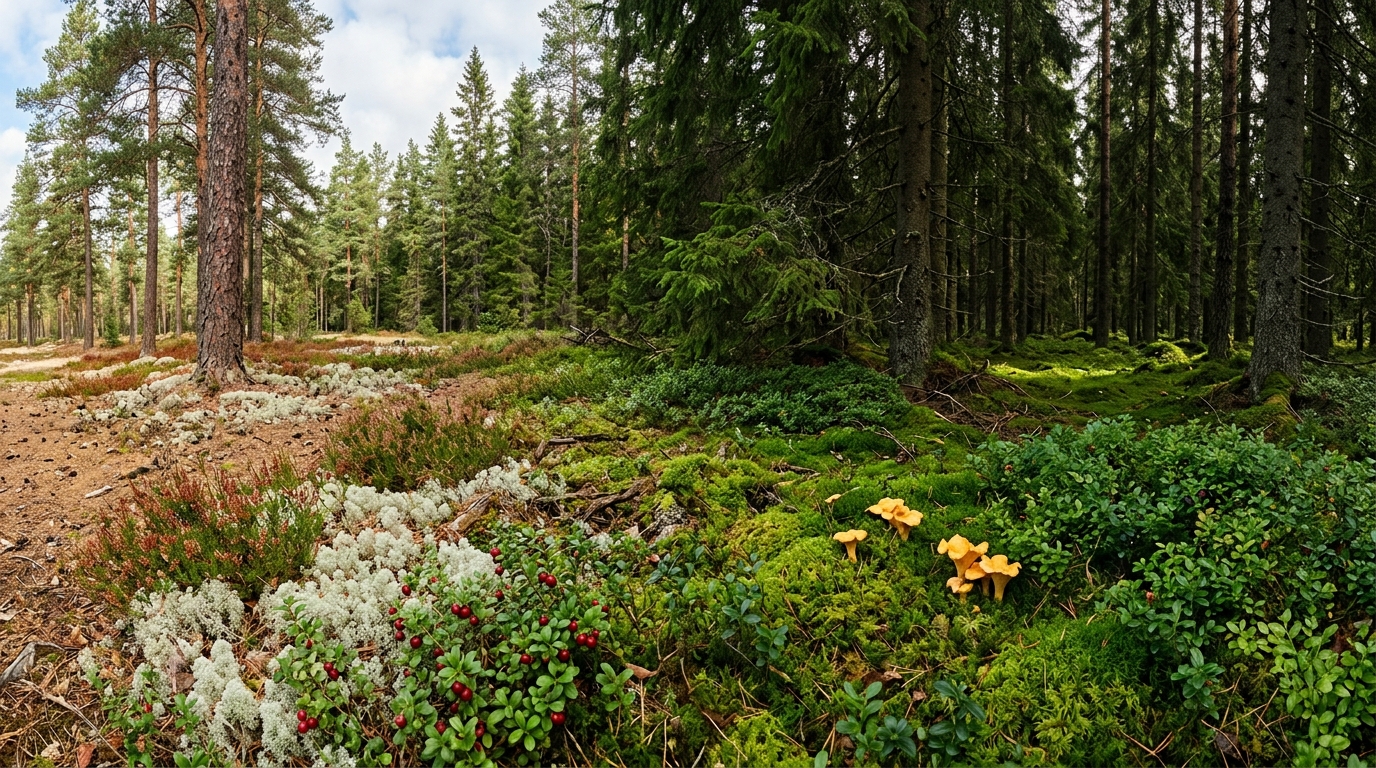
How Forest Site Types Reveal Where Mushrooms and Berries Grow
Soil fertility, moisture, and ground-layer indicator plants divide every forest into distinct site types. Learn how to read them before you even step off the trail.
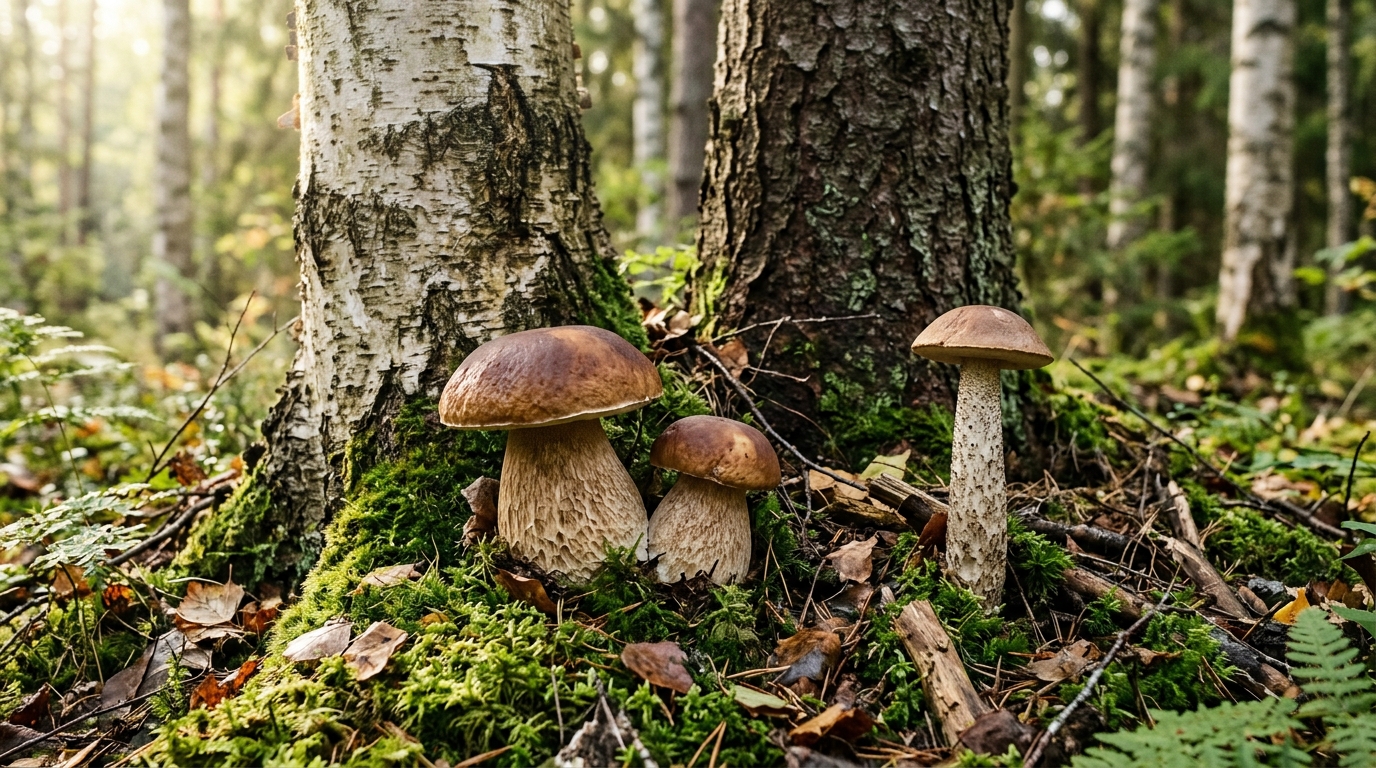
Trees and Mycorrhiza: Which Mushrooms Grow With Which Trees
Learn how ectomycorrhizal symbiosis pairs wild mushrooms with pine, spruce, birch, aspen, oak, beech, and hazel, and how to use host trees to locate productive forest stands.
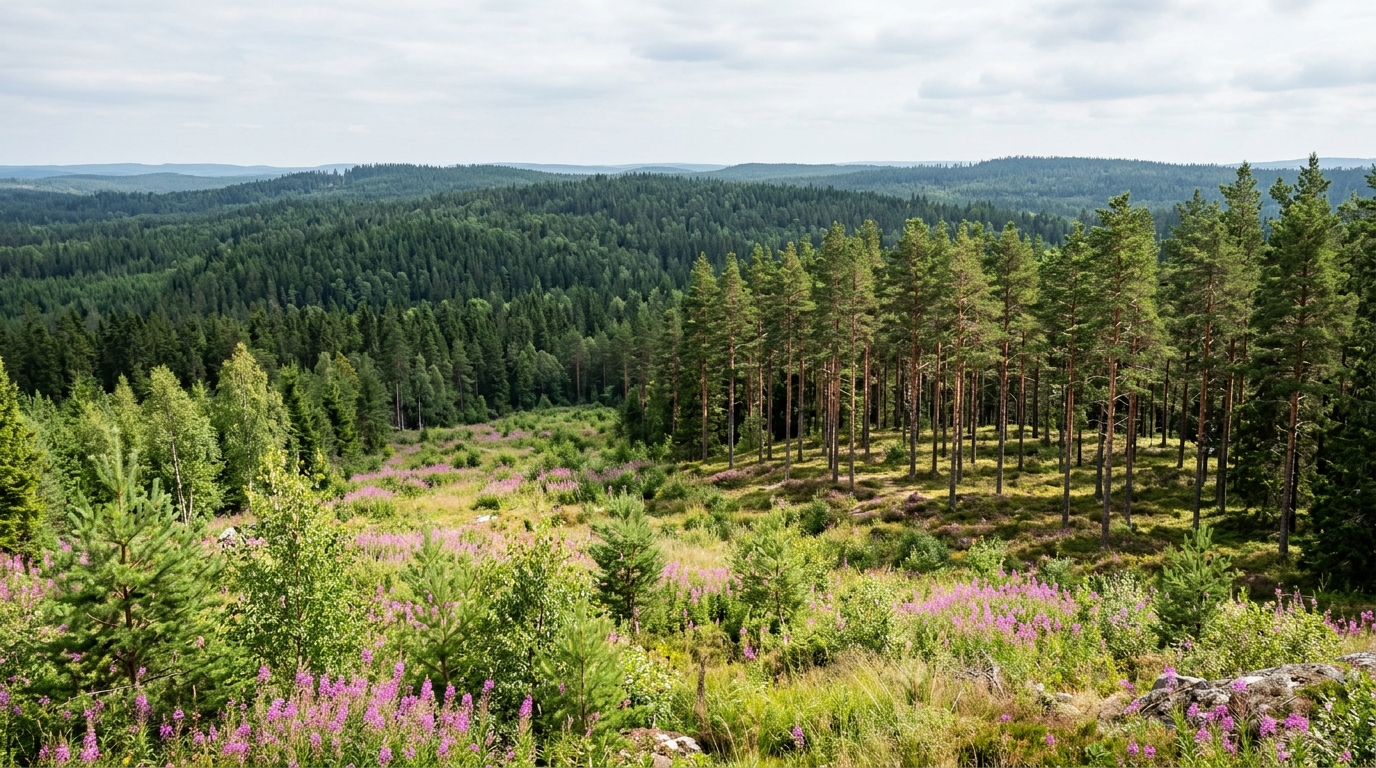
Why Forest Age Matters: Development Classes and Clearings
Learn how forest stand age, development classes, clear-cuts, and thinning shape light, soil, and wild berry or mushroom harvests across Nordic and Baltic woods.
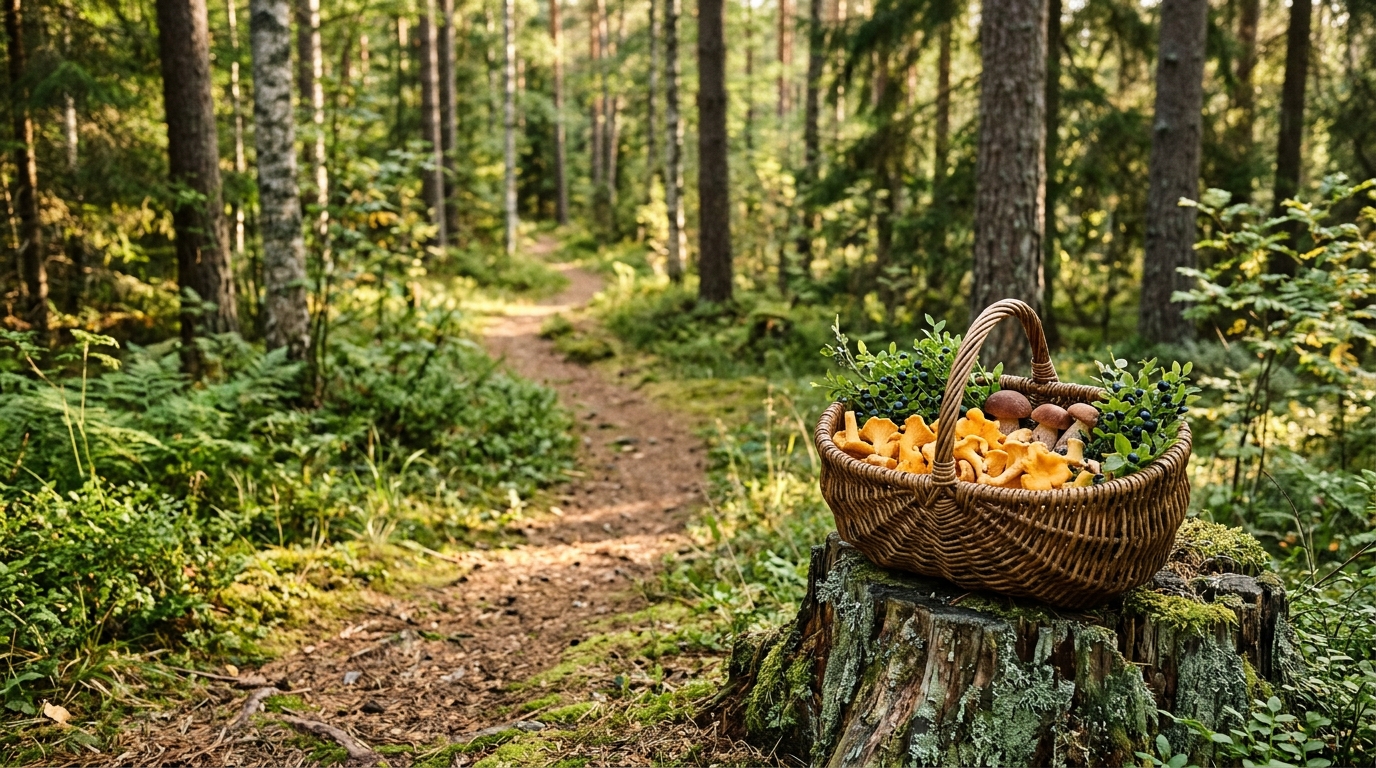
Everyman's Right in Europe: Where You Can Pick Mushrooms and Berries
A cautious regional guide to freedom to roam, foraging rules, local permits, and forest etiquette across Nordic, Baltic, Polish, and Western European woodlands.
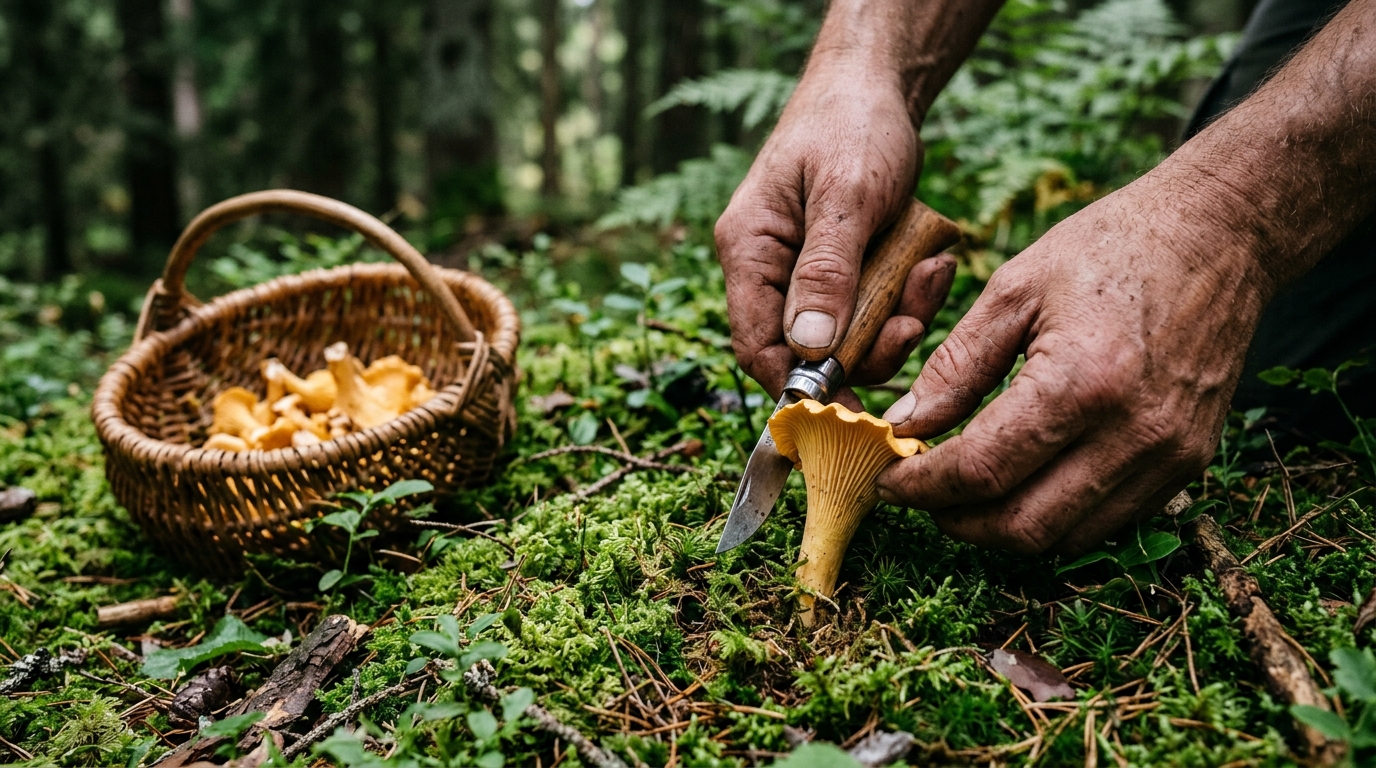
Sustainable Foraging: Pick Mushrooms & Berries Safely
Discover how to harvest wild mushrooms and berries without damaging the forest floor, from protecting underground mycelium to sharing the harvest with wildlife.
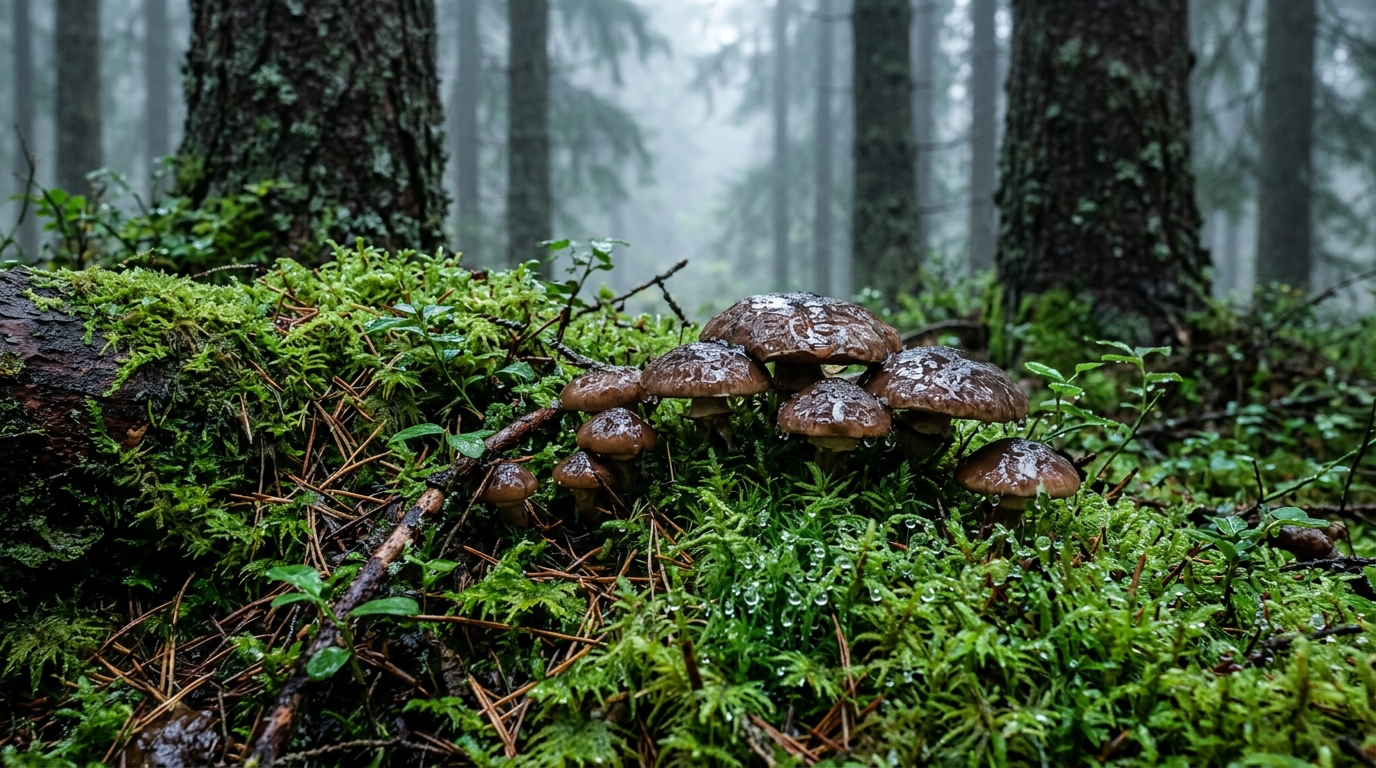
Rain, Warmth and Timing: How Weather Triggers the Mushroom Season
Why mushrooms never appear overnight after rain, how soil temperature and forest cover shape the flush, and when late-season species take over after the first frosts.
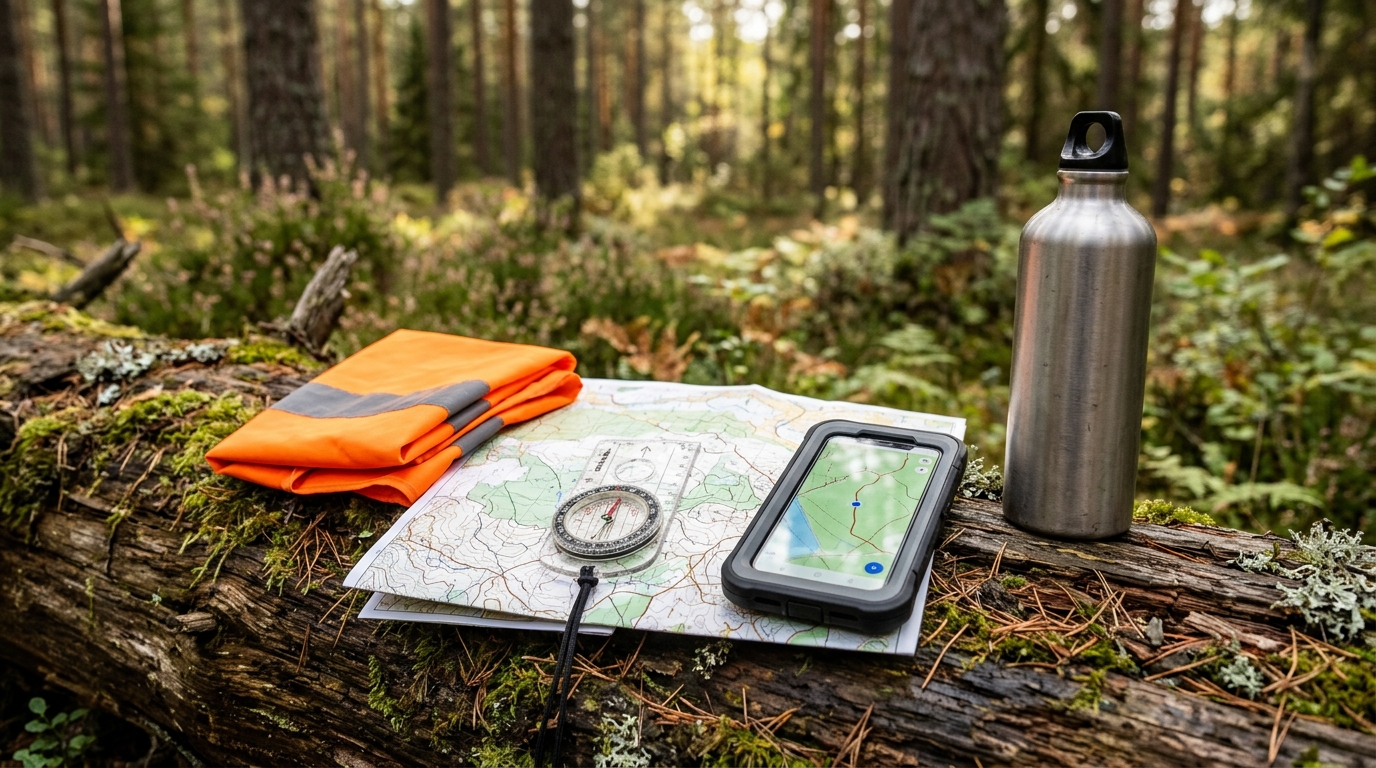
Staying Safe in the Forest: Navigation, Ticks and Getting Home
Practical forest safety essentials: trip planning, offline navigation, tick prevention, hunting season visibility, and orienting back to roads with Atveria.
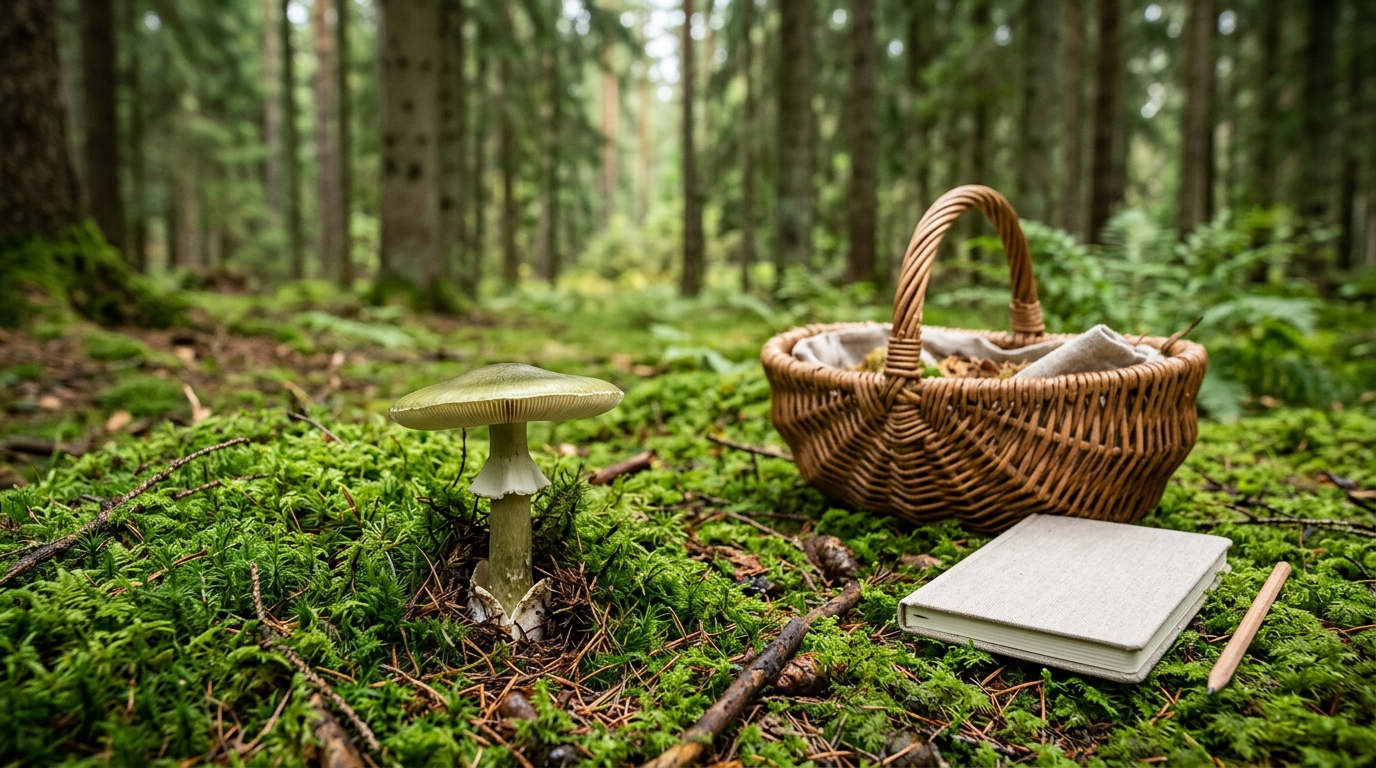
Deadly Mushroom Lookalikes in Europe: How to Avoid Dangerous Mistakes
Most severe mushroom poisonings happen when toxic lookalikes end up in a basket of familiar edibles. Learn how to tell deadly European species apart, avoid app traps, and follow safe foraging habits.
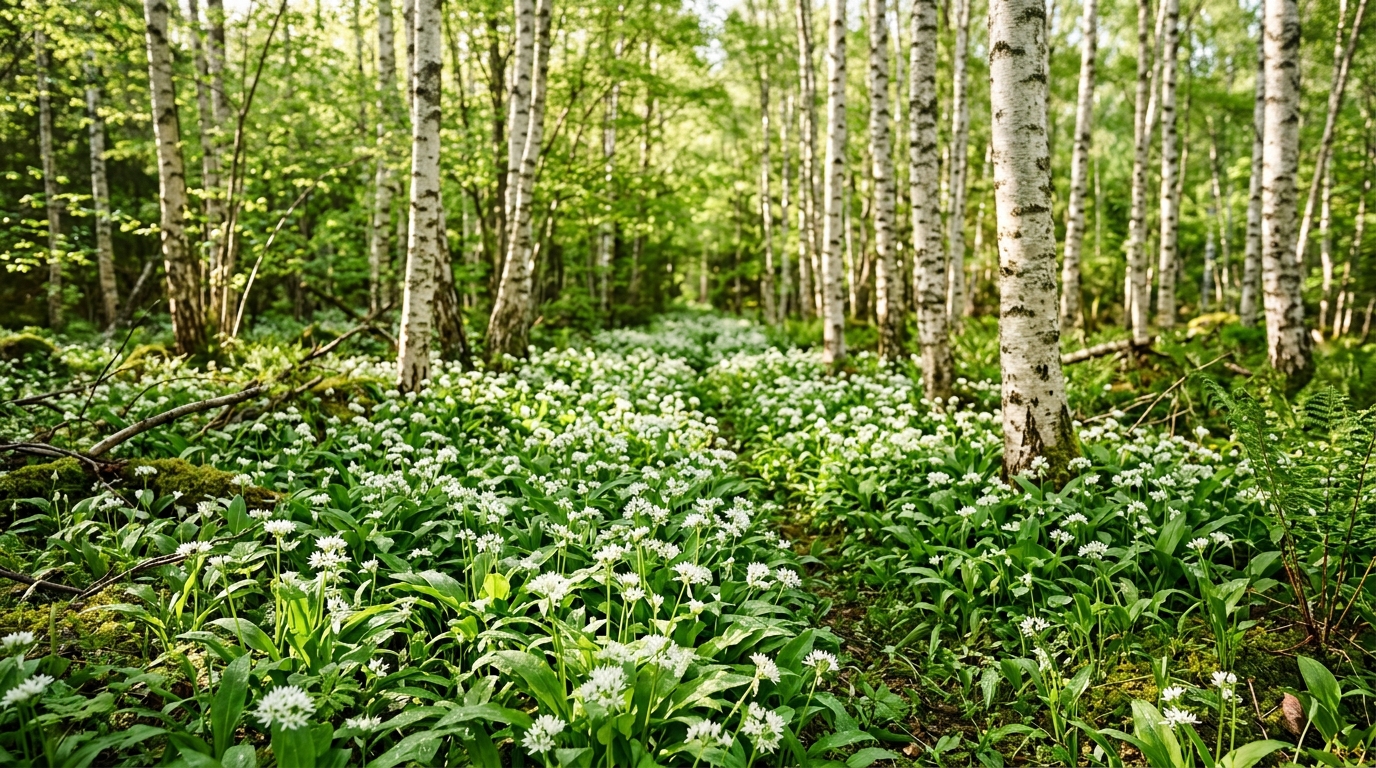
Spring Foraging Calendar: Birch Sap, Wild Garlic, Spruce Tips & Morels
From the first thaw to late May, European forests offer birch sap, wild garlic, tender spruce tips, and prized morels. Learn the right timing, key safety checks, and where to look.
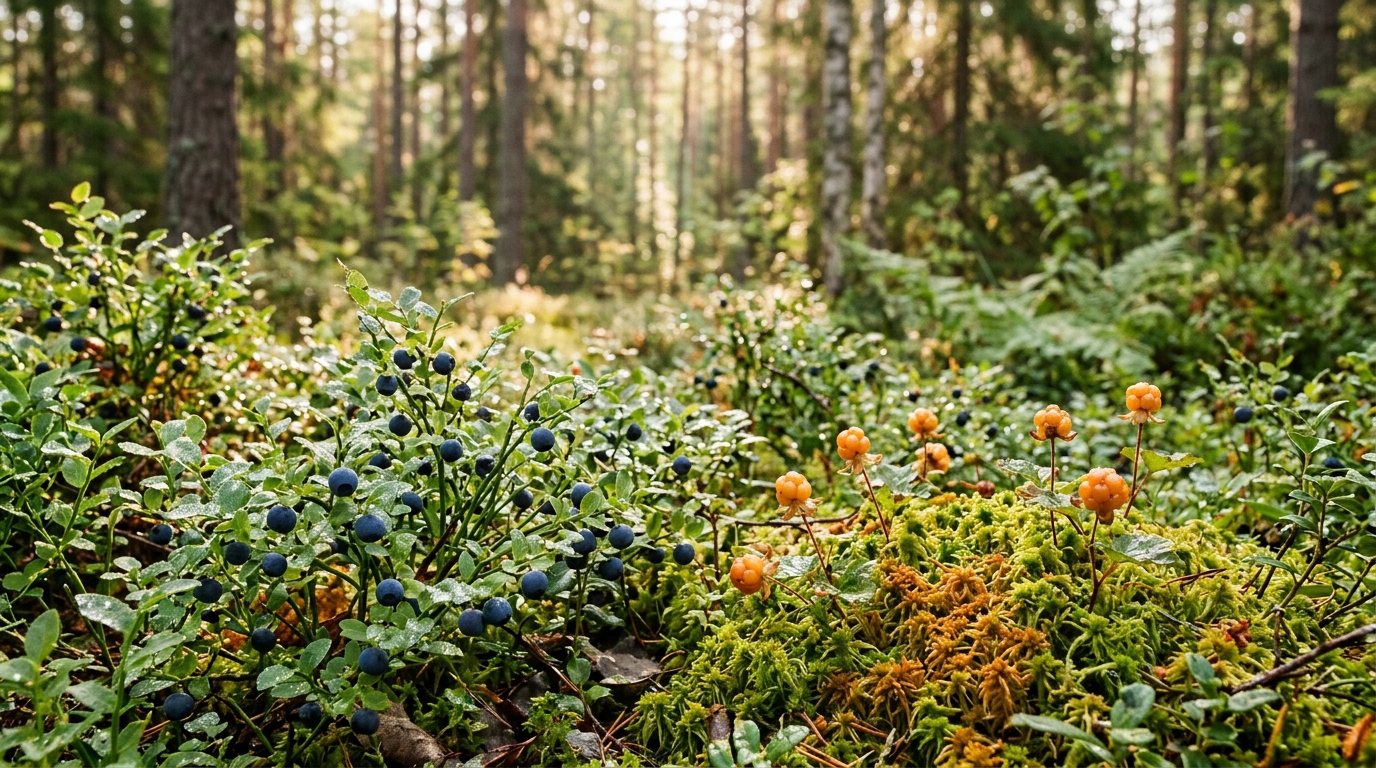
Summer in the Forest: Bilberries, Cloudberries and Chanterelles
Follow the summer foraging calendar from June wild strawberries to July cloudberries, mossy bilberry stands, sunny raspberry clear-cuts, and early chanterelles.
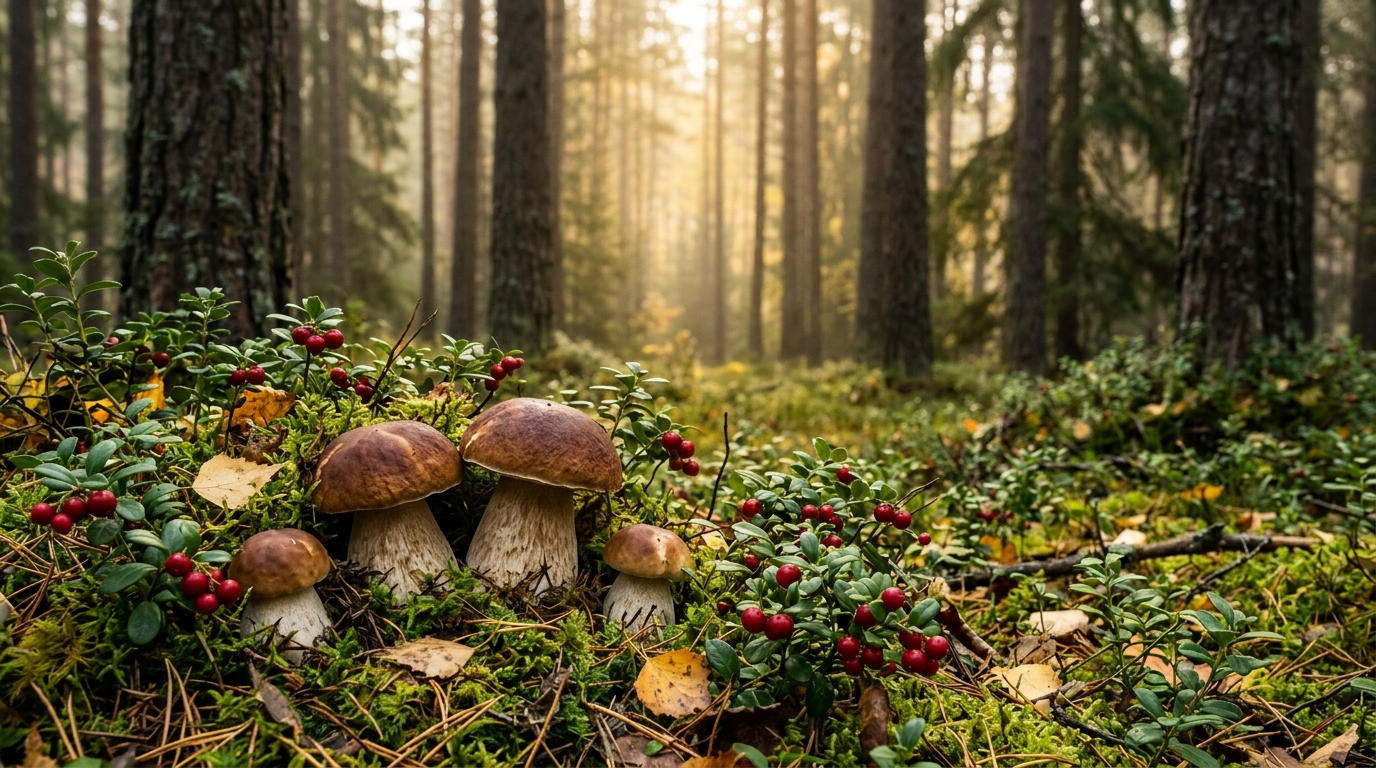
Autumn Peak and Late Season: Boletes, Berries, and Frost-Tolerant Mushrooms
A seasonal guide to autumn foraging from early porcini and lingonberries to milk caps, bog cranberries, and late-season mushrooms that handle frost.
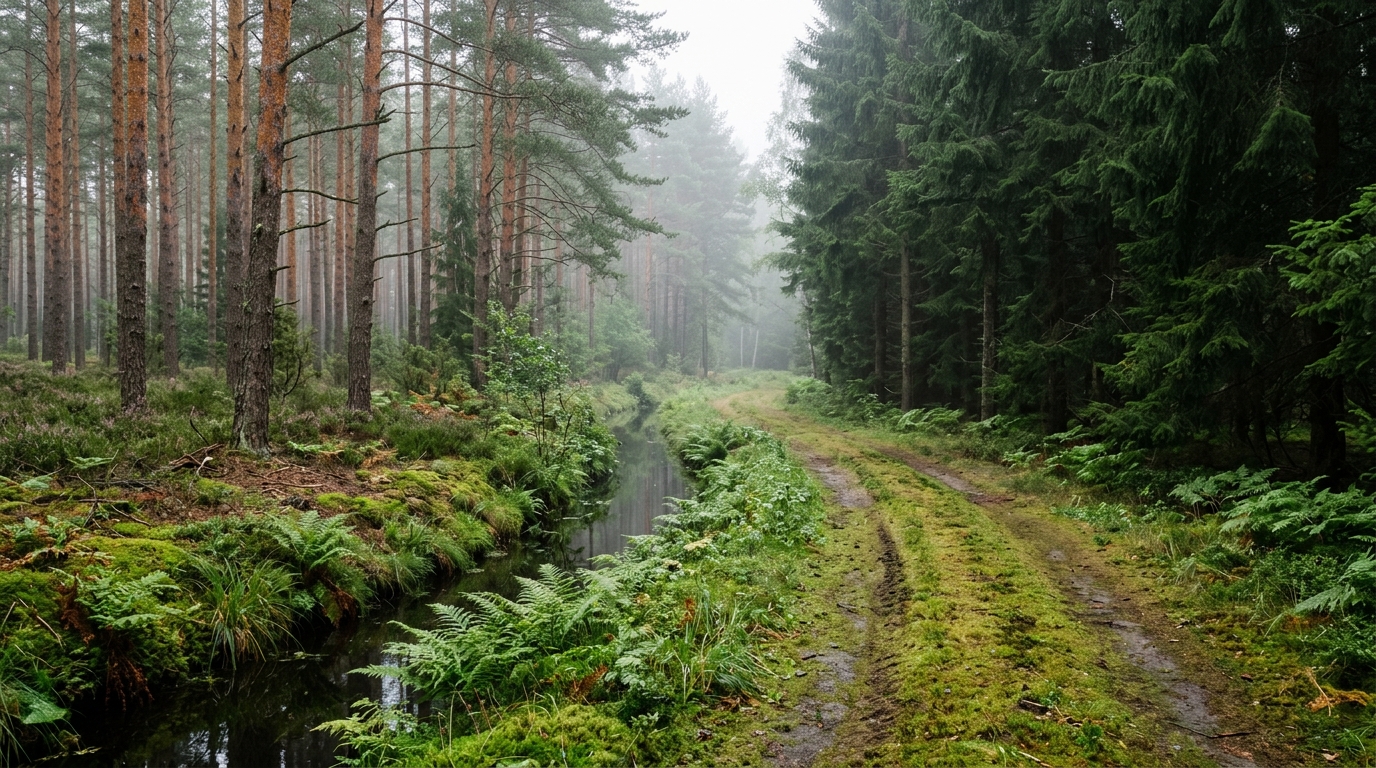
How to Read Forest Maps Like a Forester: Stands, Ditches and Layers
Learn how foresters read stand polygons, transition edges, access roads, drainage ditches, and slope aspect—and how combining register overlays with satellite layers guides better walks.
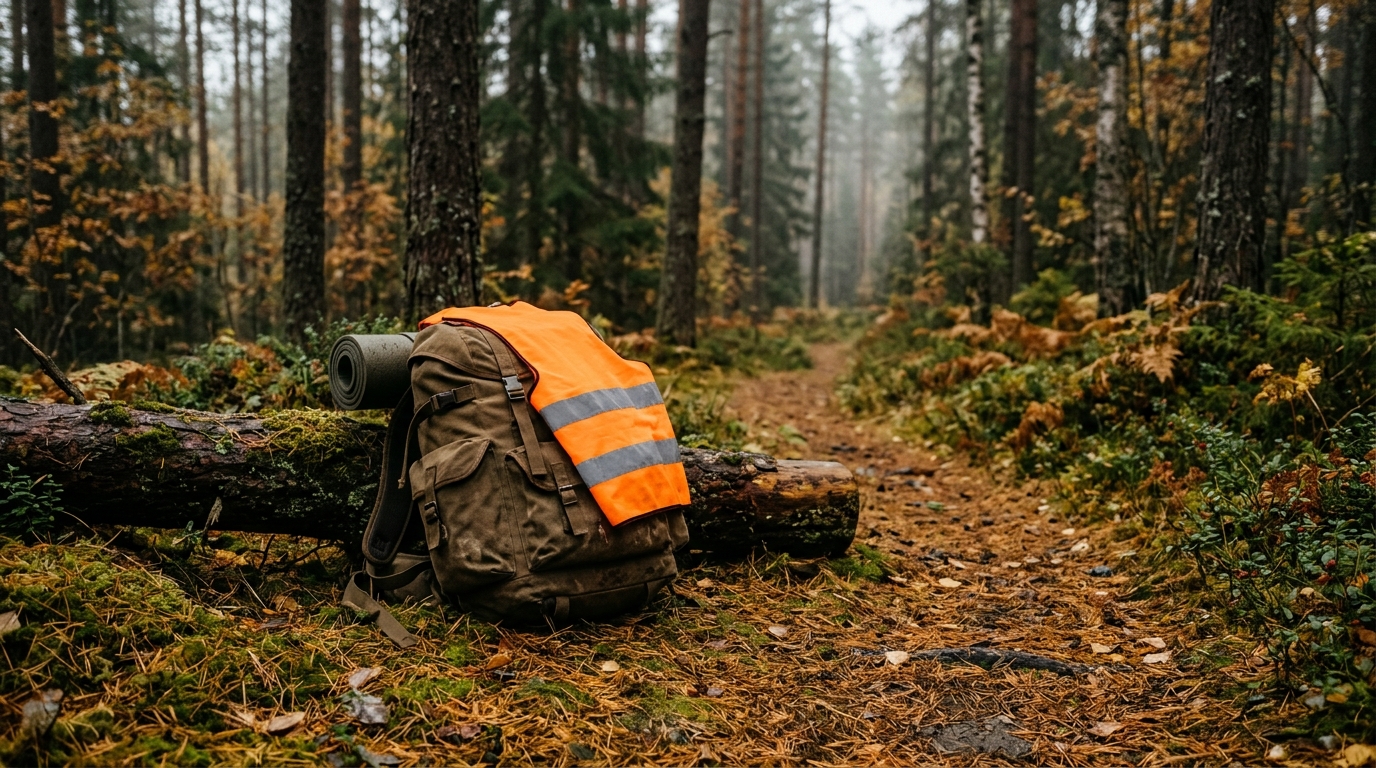
Wildlife and Hunting Season Safety in European Forests
Autumn foraging overlaps with peak hunting seasons and active wildlife across Europe. Learn how high-visibility gear, calm encounters, and smart route planning keep you safe.
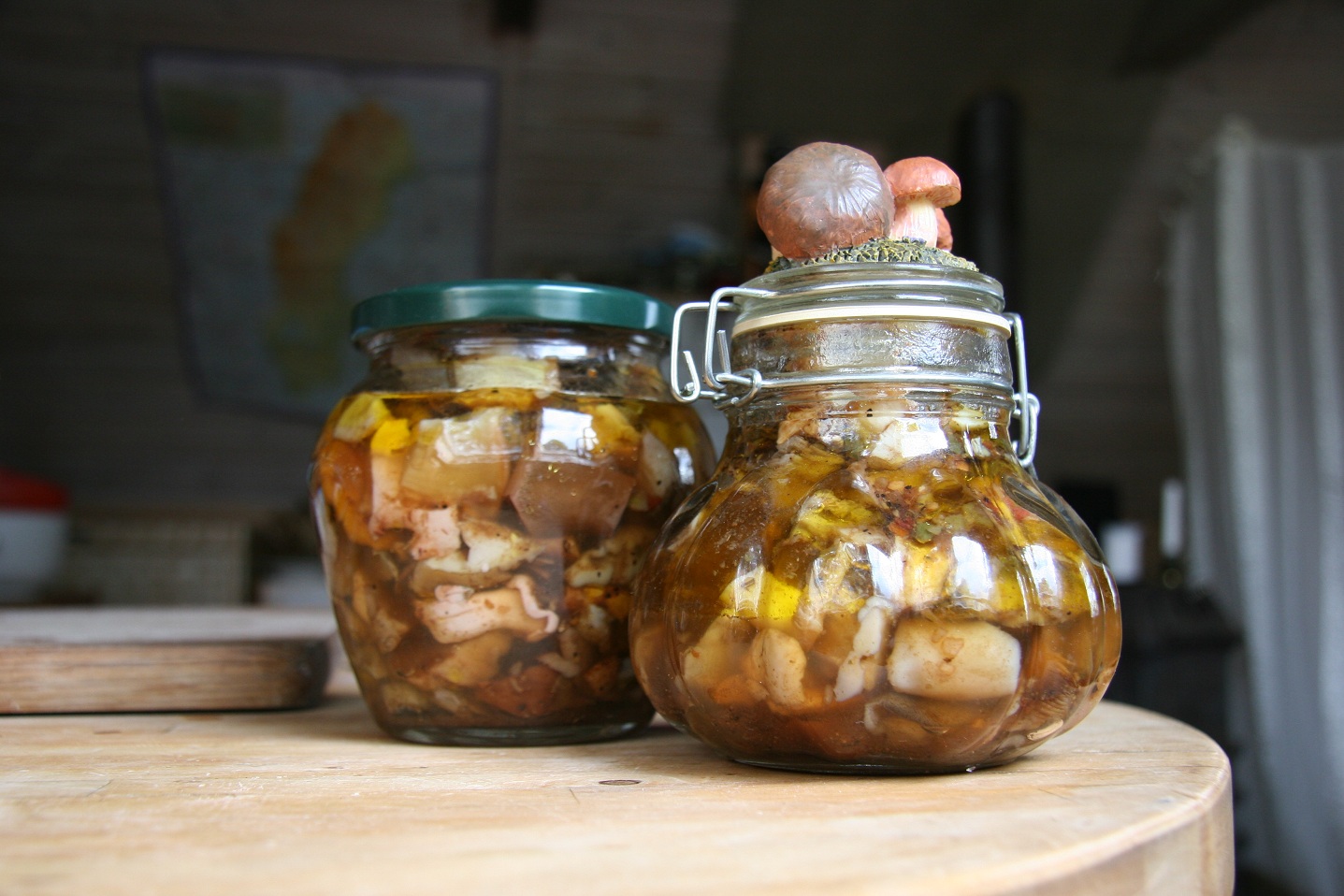
From Basket to Pantry: Cleaning and Preserving Wild Harvests
Field-trimming in the woods, dry brushing vs rinsing, dehydrating boletes, sauté-freezing chanterelles, and freezing berries cleanly—keep every wild harvest crisp, flavorful, and food-safe.
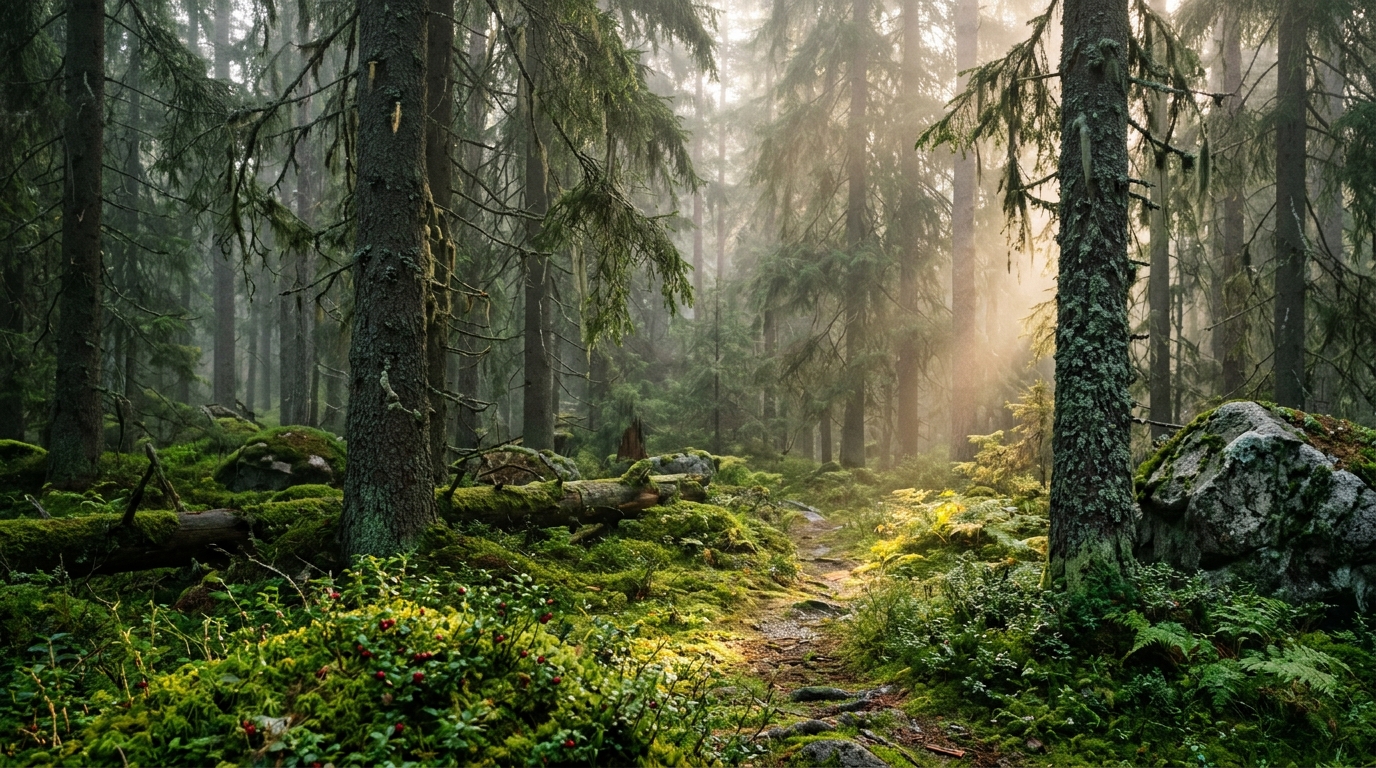
Deadwood, Biodiversity and Fungi: Why Rotting Logs Keep Forests Alive
Deadwood is not forest waste. Discover how saprotrophic fungi, white and brown rot, snags and nurse logs sustain biodiversity, and which wood-decaying mushrooms to cook or leave protected.
Put forest ecology into practice
Explore the Atveria live map to inspect public forest stands, tree species, site types, and prime foraging habitats.
Open Atveria Map →