Forestry & Foraging Blog
Practical, ecology-grounded guides on forest site types, mycorrhizal partners, stand age, European access rules, and safe navigation in the woods.
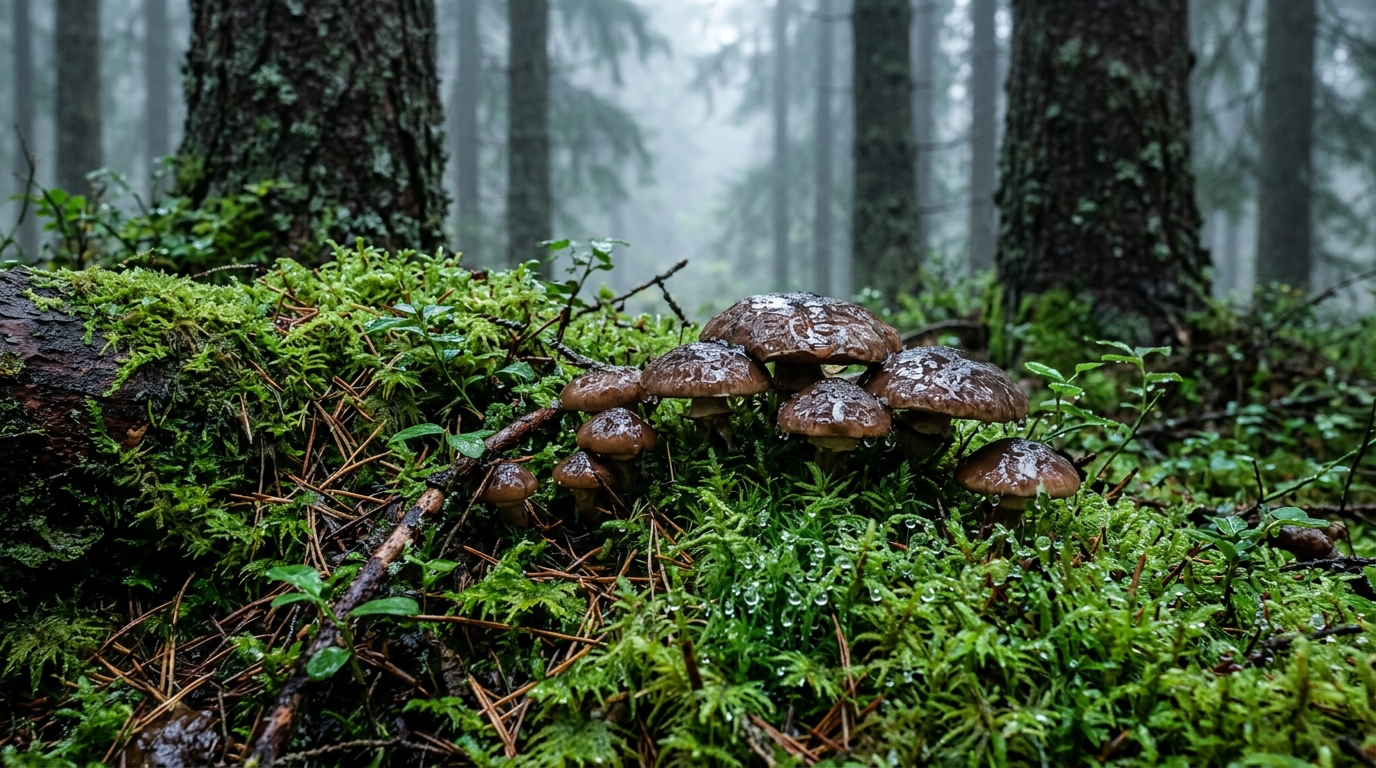
Rain, Warmth and Timing: How Weather Triggers the Mushroom Season
Why mushrooms never appear overnight after rain, how soil temperature and forest cover shape the flush, and when late-season species take over after the first frosts.
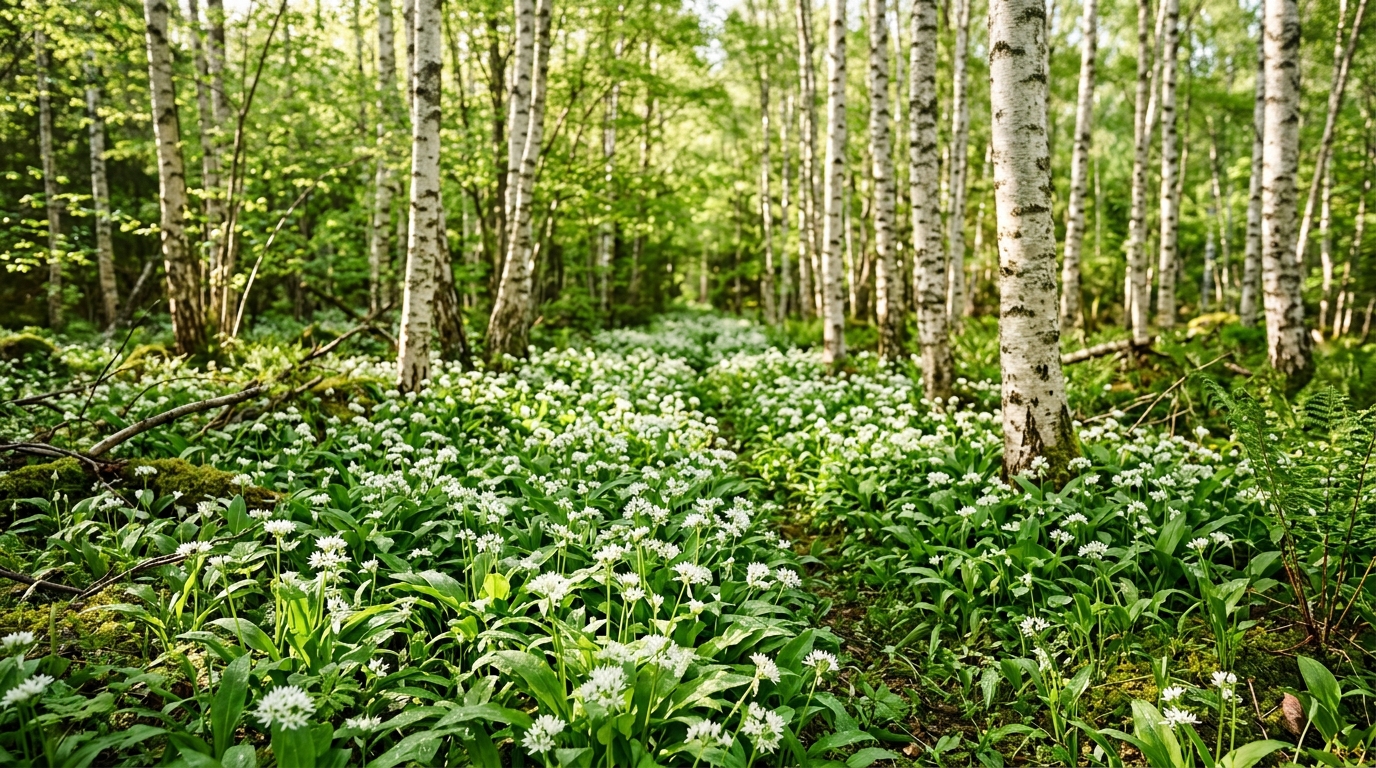
Spring Foraging Calendar: Birch Sap, Wild Garlic, Spruce Tips & Morels
From the first thaw to late May, European forests offer birch sap, wild garlic, tender spruce tips, and prized morels. Learn the right timing, key safety checks, and where to look.
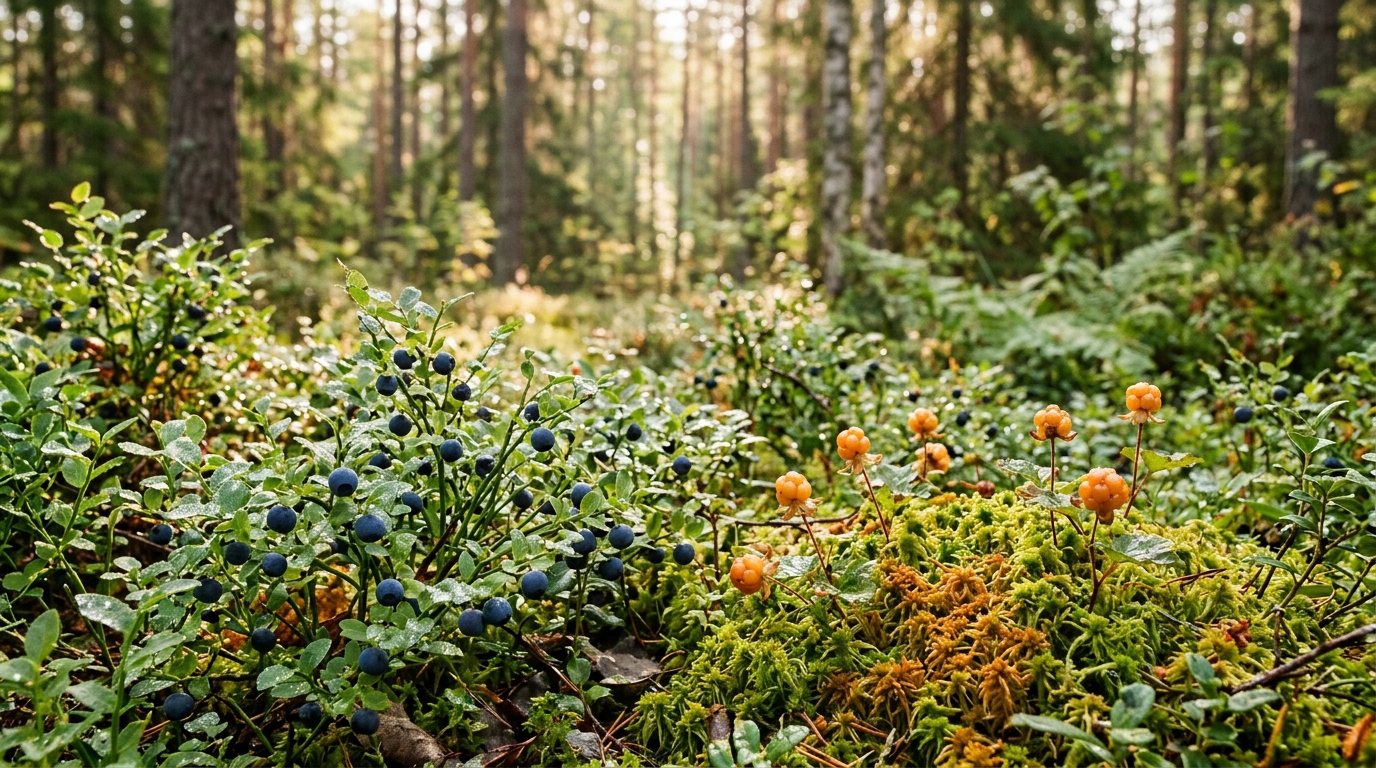
Summer in the Forest: Bilberries, Cloudberries and Chanterelles
Follow the summer foraging calendar from June wild strawberries to July cloudberries, mossy bilberry stands, sunny raspberry clear-cuts, and early chanterelles.
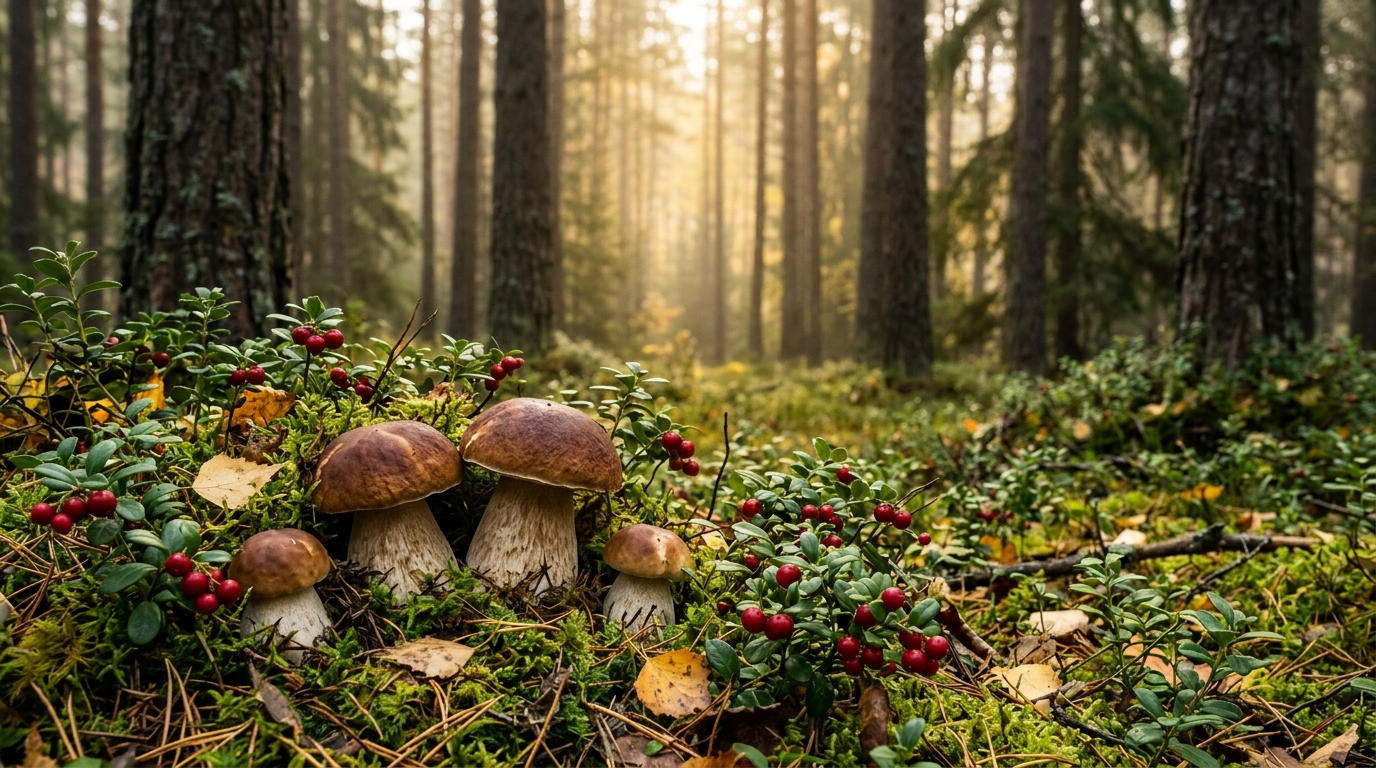
Autumn Peak and Late Season: Boletes, Berries, and Frost-Tolerant Mushrooms
A seasonal guide to autumn foraging from early porcini and lingonberries to milk caps, bog cranberries, and late-season mushrooms that handle frost.
Put forest ecology into practice
Explore the Atveria live map to inspect public forest stands, tree species, site types, and prime foraging habitats.
Open Atveria Map →