Why mushrooms wait for rain: how mycelium reads the soil
Every forager knows the anticipation when dark clouds finally break over a parched forest floor. Yet heading into the woods the very next morning almost always ends with an empty basket. The cap and stem we pick are only the temporary fruiting body, made up of roughly 85 to 90 percent water, while the actual organism lives year-round beneath the surface as a fine web of mycelium woven through humus, decaying wood, or tree roots.
Before mycelium can invest energy in producing spores, it needs sustained moisture throughout the upper litter and humus layer. During dry spells, the fungal network stays in quiet vegetative survival mode, conserving moisture rather than risking fragile young fruiting structures in dry air. Only when both surface moss and the organic soil beneath absorb sufficient water does the colony shift toward reproduction.
That shift is biological, not instant. Once rehydrated, mycelium must gather nutrients, form microscopic primordia or pinheads, and then pump water into expanding cells to push up through moss and fallen leaves. Those unseen stages explain why there is almost always a deliberate pause between a wet week and a productive flush.
The one-to-two-week rule after soaking rain
Across Northern and Central Europe, experienced mushroom pickers rely on a practical one-to-two-week rule of thumb. When soil remains warm, a thorough, ground-soaking rain typically produces harvestable fruiting bodies within 7 to 14 days for popular species such as chanterelles, boletes, and milkcaps. Exact timing still shifts with night temperatures, canopy cover, and how dry the forest was before the storm arrived.
Fast-acting decomposers in grassy clearings and rich leaf litter can appear in just a few days because their mycelium sits near the surface. Deeper mycorrhizal fungi, which share sugars and water with pine, spruce, birch, or oak roots, take longer to respond, though once triggered they often flush steadily for weeks if showers continue.
- 3 to 6 days: fast saprotrophic species in lawns, meadow edges, and already damp litter
- 7 to 10 days: golden chanterelles and early boletes when soil warmth stays steady
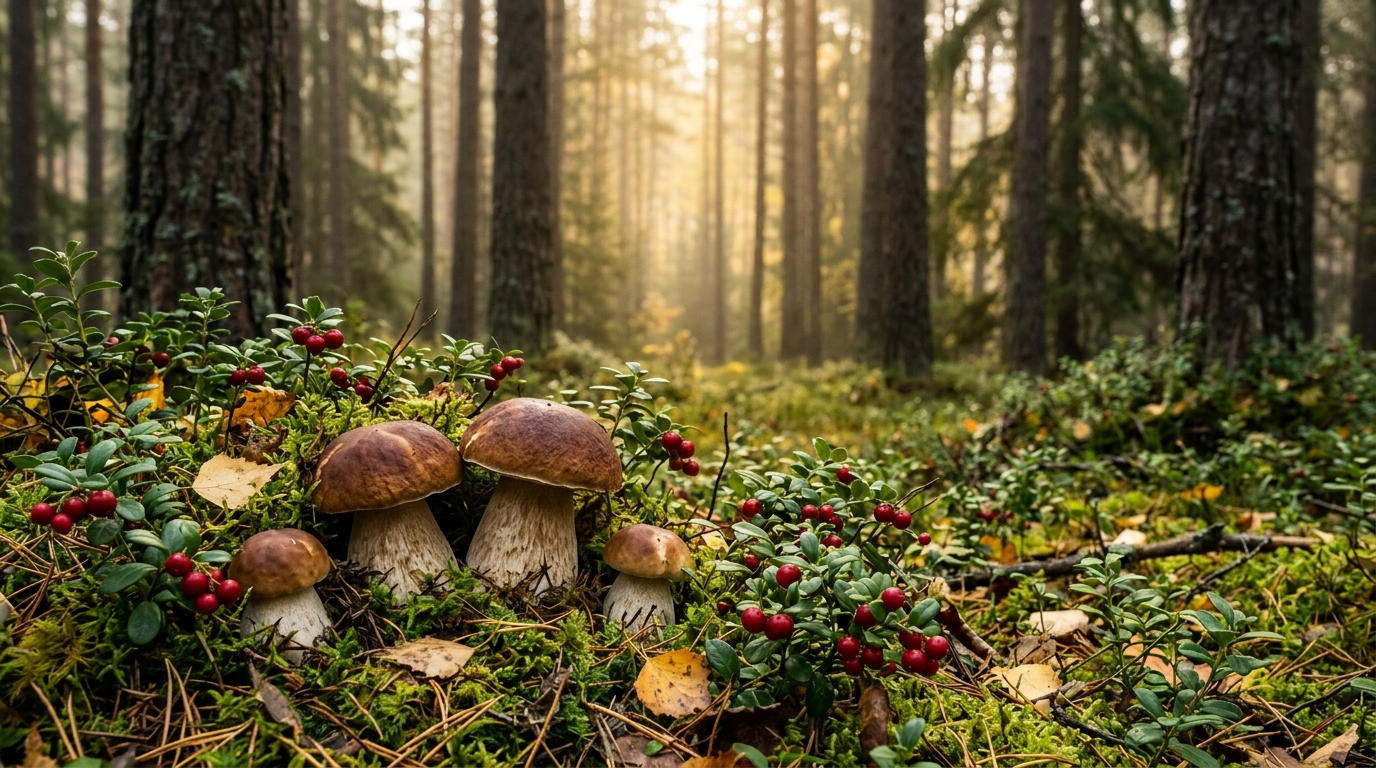
- 10 to 14 days: main autumn mycorrhizal species including porcini, russulas, and milkcaps
- 2 to 3 weeks: delayed recovery after severe summer drought while mycelium rebuilds dry strands
Soaking rain vs. runoff and the soil temperature switch
Not all rainfall wets the forest floor equally. After a hot, dry summer, sun-baked pine needles, peat, and compacted litter become temporarily water-repellent. A violent half-hour thunderstorm drops plenty of millimetres on a weather gauge, yet much of that water sheets off slopes and forest tracks as surface runoff, leaving the soil three centimetres down completely dusty. For mycelium, gentle multi-day drizzle or back-to-back rainy days are far more effective because water has time to percolate down through moss and duff.
Moisture alone also fails if the soil is too cold or excessively hot. Most summer and early-autumn fungi thrive when upper soil temperatures sit roughly between 10 and 18 degrees Celsius and night air remains mild, ideally above 6 to 8 degrees. Chilly, clear nights slow cell expansion so caps stay stunted or abort before breaking the surface.
At the same time, many classic autumn mushrooms actually wait for the first cool, wet turn after late-summer warmth. Mycologists and seasoned foragers often describe this modest drop in temperature paired with heavy rain as a thermal shock. Combined with shortening days, that cooling signals the mycelium that summer heat is fading and the prime window for spore dispersal has arrived.
Forest microclimates: mossy spruce shade vs. sandy pine ridges
A single regional forecast can produce very different results in neighbouring stands because tree canopy, ground cover, and soil texture create distinct microclimates. Dense spruce forests carpeted in thick feather moss act like natural sponges. Shade blocks harsh midday sun and slows evaporation from wind, allowing moisture to linger and keeping flushes alive during brief dry gaps between autumn fronts.
Open sandy pine ridges and dry heaths behave in almost the opposite way. Their coarse mineral soils warm quickly in late spring and summer, shed excess water rapidly, and dry out after just a couple of breezy afternoons. After a prolonged dry spell, damp spruce hollows and shaded mixed stands usually yield first, whereas well-drained pine ridges often spring to life surprisingly fast once steady, warm rain finally arrives.
- Mossy spruce stands: slow to warm in spring, best at holding moisture through dry intervals
- Sandy pine ridges: fast-draining and quick to dry out, yet responsive right after warm soaking rain
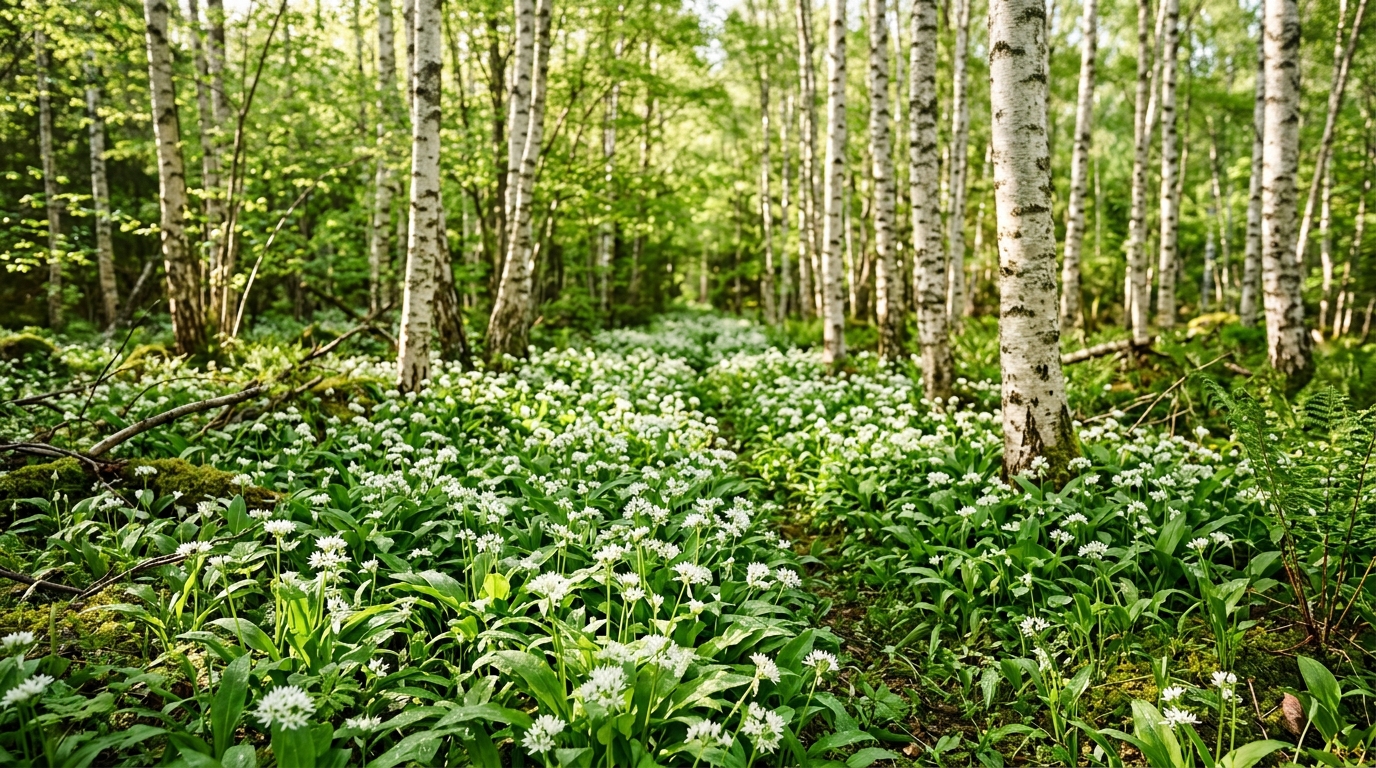
- Birch, oak, and mixed hollows: balanced humidity, rich leaf humus, and steady late-season warmth
First frosts and the seasonal calendar across Europe
Once hard ground frosts arrive, water-rich summer and mid-autumn species such as porcini, bay boletes, and golden chanterelles quickly turn mushy and collapse as ice crystals rupture their cell walls. Yet the first frost does not end foraging altogether. Several cold-hardy late species tolerate light frosts or even need crisp autumn chills to begin fruiting.
Latitude and maritime climate also shift the mushroom calendar dramatically from north to south across Europe. In the Nordics and Baltics, the primary season runs from August into October, with sharp frosts wrapping up most woodland picking by late October or November. Across Central Europe, peak flushes shift toward September through November, while in France and Spain Atlantic and Mediterranean influences push productive foraging deep into November and December, and sometimes through mild winter months in coastal lowlands.
Learning a handful of cold-tolerant species extends your time outdoors well past the first white mornings, especially in sheltered conifer valleys or along coastal slopes where midday sun briefly thaws the upper duff.
- Yellowfoot (winter chanterelle): carpets mossy conifer floors from September to November and shrugs off light frosts
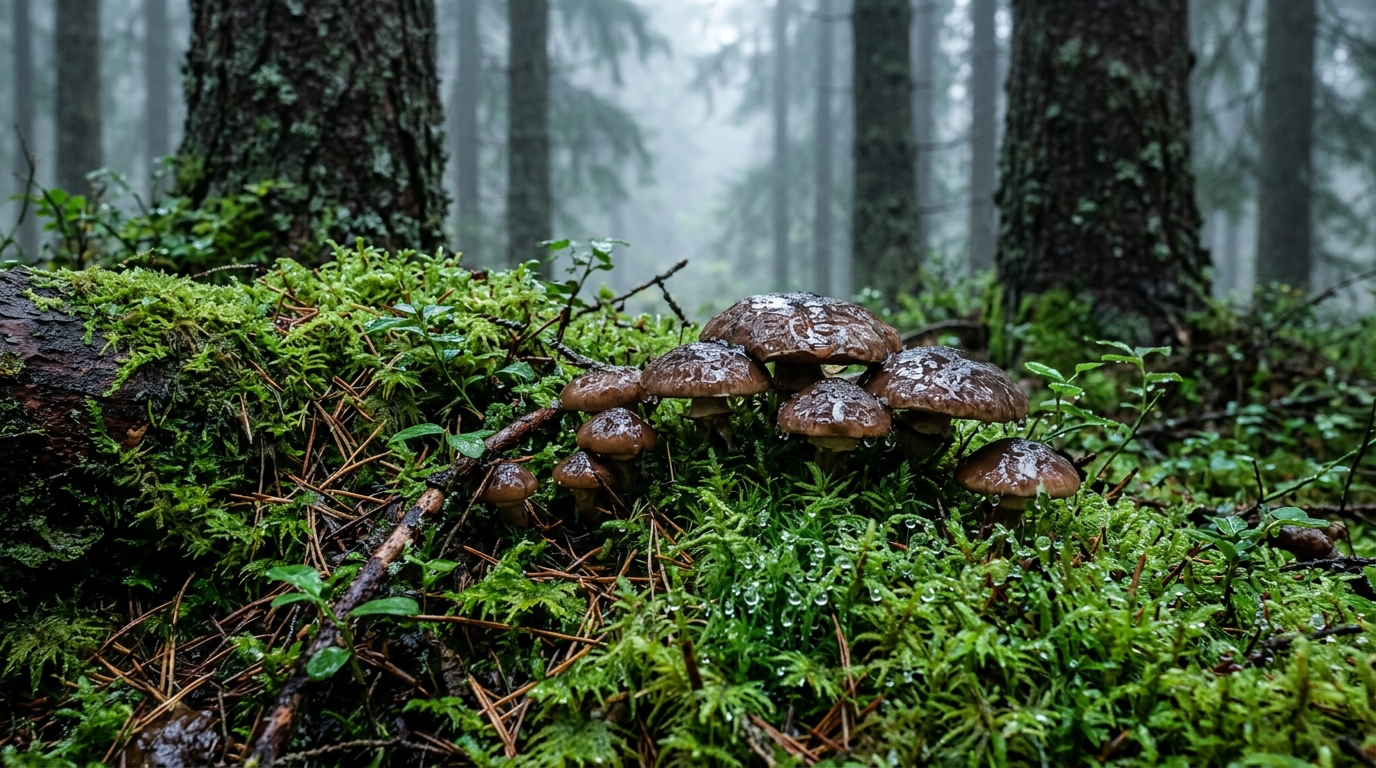
- Velvet shank: fruits on deciduous stumps and deadwood during late autumn and mild winter thaws
- Oyster mushroom: often flushes on broadleaved logs after cold snaps when cool, damp air persists
- European timing shift: Aug-Oct in Nordics and Baltics, Sep-Nov in Central Europe, Oct-Dec or mild winter in France and Spain
Pairing weather signals with Atveria forest maps
Tracking recent rainfall and night temperatures solves only half the puzzle, because weather only activates stands that already host the right trees and soil conditions. In Estonia, Atveria's mushroom forecast currently combines local precipitation and temperature patterns with forest stand data to highlight where moisture and warmth align best for upcoming growth.
Across all 13 European countries on Atveria, you can pair your local weather check with the interactive map to filter public forests by dominant tree species, forest site type, and stand age. After a dry week, that lets you steer toward shaded, mossy spruce stands; after warm soaking rain, you can pinpoint sandy pine ridges or mature birch and oak woodlands right on schedule.