Field-Cleaning in the Forest: Keep Dirt Out of Your Basket
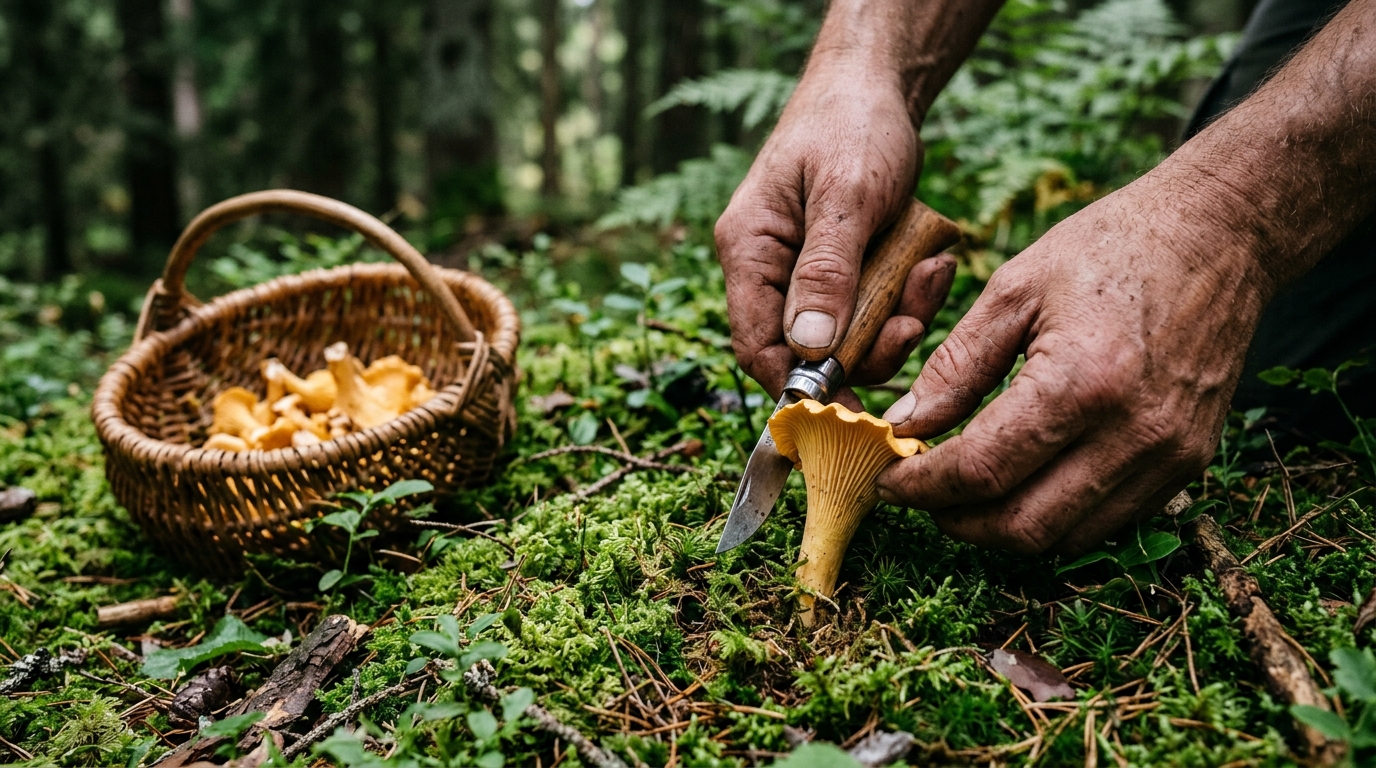
Great preservation begins while you are still kneeling beside the moss. Whenever you harvest a wild mushroom, take ten seconds to trim soil, pine needles, and clinging leaf litter off the stem base with a small foraging knife before placing it in your basket. If you skip this step, gritty sand shakes loose during the walk home and embeds itself deep inside gills, pores, and cap crevices, turning a quick kitchen cleanup into an hour of frustrating scrubbing.
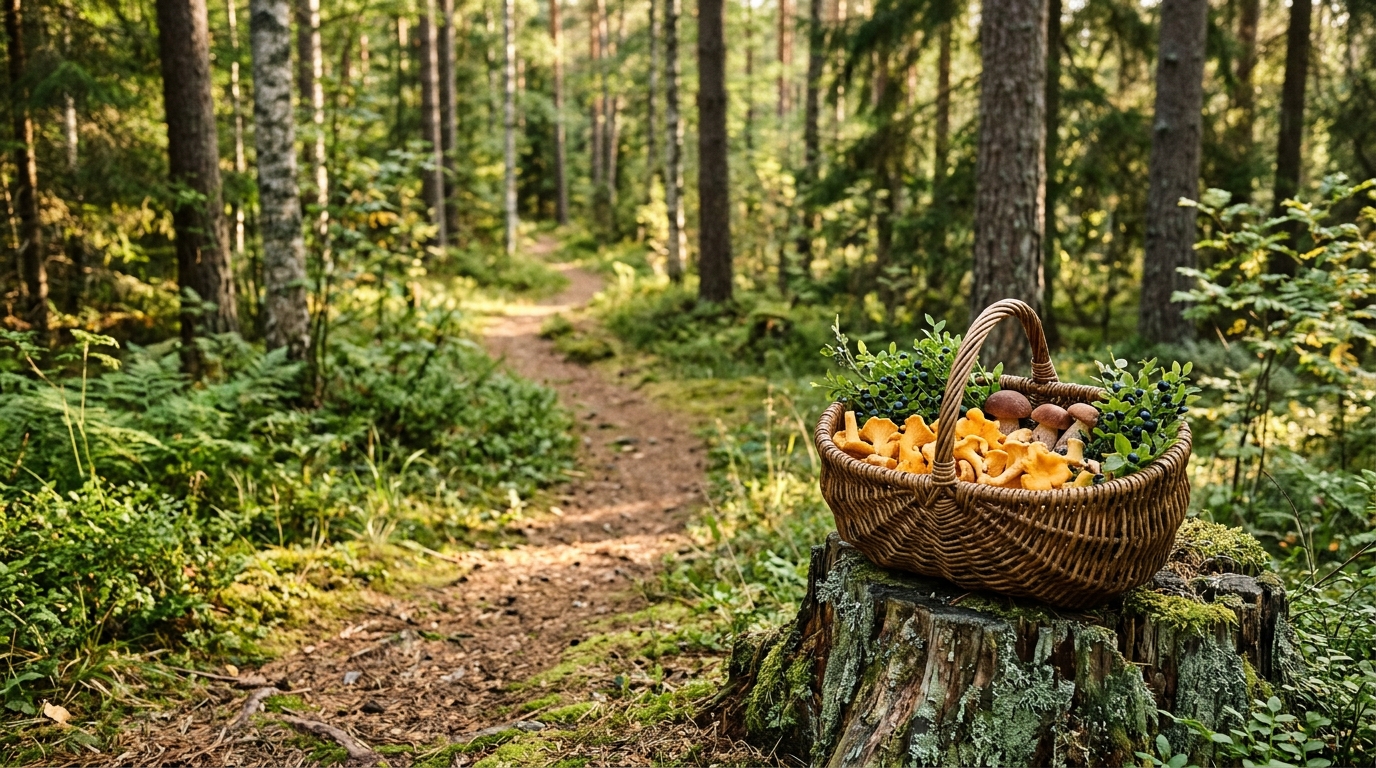
Field-cleaning also lets you inspect stems for insect tunnels and soft spots right on the forest floor. Leave heavily worm-eaten or aging caps in the woods to scatter spores, and carry your harvest in an open, rigid wicker basket or slatted crate rather than a sealed bag. Keep fragile berries in shallow, breathable containers so upper layers do not crush the fruit underneath, and separate different mushroom species with paper bags or basket dividers.
- Slice away earthy stem bases and brush off loose needles before placing each mushroom in your basket.
- Split suspicious stems in the field so worm-riddled portions stay on the moss instead of contaminating clean caps.
- Use a rigid, airy wicker basket for mushrooms and shallow ventilated boxes for wild berries.
- Keep unfamiliar specimens strictly separate in paper bags and never mix them with edible finds.
At Home: Brushing vs Quick Rinsing
Once you unpack your harvest on the kitchen table, resist the urge to dump mushrooms into a sink full of water. Mushroom flesh is spongy and porous, meaning prolonged soaking drives water straight into the cells. Waterlogged mushrooms steam instead of browning in the skillet, lose their concentrated woodland aroma, and spoil much faster in storage. For clean finds from mossy spruce or birch stands—such as firm porcini, golden chanterelles, and black trumpets—a soft mushroom brush, pastry brush, and dry kitchen paper remove remaining debris without adding a drop of moisture.
There are times when dry brushing alone is not enough, particularly with sandy pine-forest mushrooms, slimy caps, or hedgehog mushrooms packed with grit between their spines. In those cases, give each piece a brief, brisk rinse under cold running water one at a time, never letting them sit submerged. Immediately pat them dry with a clean linen towel and spread them on paper to air-dry before cooking, sautéing, or loading them into a dehydrator.
Best Preservation Methods by Mushroom Species
Different mushrooms contain vastly different amounts of water, natural enzymes, and aromatic compounds, so matching the preservation method to the species makes all the difference. Drying is the gold standard for meaty boletes (such as porcini), black trumpets, yellowfoot chanterelles, and morels, because dehydration concentrates savory umami notes and locks in shelf stability for a year or longer. Slice larger boletes into uniform 3 to 5 millimeter pieces, leave thin trumpets and yellowfoots whole or halved, and dry in a dehydrator or ventilated oven at 45 to 55 degrees Celsius until every piece snaps crisply without bending. Cool completely and seal in airtight glass jars stored in a dark cupboard. Remember that morels must always be thoroughly cooked after rehydration, never eaten raw.
Golden chanterelles behave quite differently in storage: drying often leaves them leathery and difficult to rehydrate, while freezing them raw frequently causes a bitter off-flavor and mushy texture. The reliable fix is to dry-sauté cleaned, torn chanterelles in a wide, dry pan over medium heat until they release their water and that liquid evaporates almost completely—adding just a small knob of butter at the end if desired. Let them cool thoroughly, then pack them flat in freezer bags or airtight containers for effortless winter sauces and omelets.
Acrid or milky-sap mushrooms, including wooly milk caps, rufous milk caps, and other sharp-tasting Lactarius species, require parboiling before preservation. Simmer trimmed caps in plenty of salted water for five to ten minutes (or as required for the specific Lactarius species) and discard the bitter cooking liquid, then rinse in cold water. Once parboiled and drained, they hold their crisp snap wonderfully when packed in coarse non-iodized salt under a weight in cold storage or jarred in a tested vinegar-sugar-spice pickling brine.
- Porcini and boletes: slice 3–5 mm thick, dehydrate at 45–55°C until crisp, and store in airtight glass jars.
- Black trumpets and yellowfoot chanterelles: dry whole or halved at 45–50°C; they rehydrate in minutes.
- Morels: dry thoroughly at 45–55°C and always cook well after rehydrating before serving.
- Golden chanterelles: dry-sauté until moisture evaporates, cool completely, and freeze in meal-sized portions.
- Milk caps (Lactarius): parboil in salted water, drain and rinse, then pickle in vinegar brine or salt-cure cold.
Berry Freezing and Jams: Keeping Wild Fruit Bright
Wild berries such as bilberries, lingonberries, cranberries, raspberries, and cloudberries reward gentle handling. Spread harvested berries in a shallow tray to pick out stray leaves, twigs, and unripe fruit. If you picked them in clean woodland away from dusty roads, freezing bilberries, lingonberries, or cloudberries unwashed preserves their natural waxy bloom and keeps skins intact. When rinsing is necessary, dip them briefly in cold water, drain in a colander, and air-dry completely on clean towels before freezing so ice crystals do not weld the fruit into a solid block.
For freezer storage, spread dry berries in a single layer on a parchment-lined tray until frozen firm, then pour them into labeled freezer bags or rigid boxes so you can scoop exact spoonfuls all winter. Tart lingonberries and cranberries are also naturally rich in benzoic acid and pectin, which makes them outstanding for classic low-sugar jams, traditional cold-stirred crushed berries, and spiced pantry preserves, while delicate bilberries and aromatic cloudberries shine in quick-cooked compotes and spoonable jams.
Food Safety Rules for Every Preserved Jar and Freezer Bag
Mushrooms are protein-rich and high in moisture, which means they deteriorate much faster than root vegetables or hard fruit. Always clean, cook, dry, or freeze fresh wild mushrooms the same day you gather them—never leave them sitting overnight in a warm hallway or sealed inside plastic bags, where condensation accelerates bacterial spoilage. If you must pause until the next morning, spread cleaned mushrooms loosely in a single layer on paper towels inside a cold refrigerator at 2 to 4 degrees Celsius and process them within 24 hours.
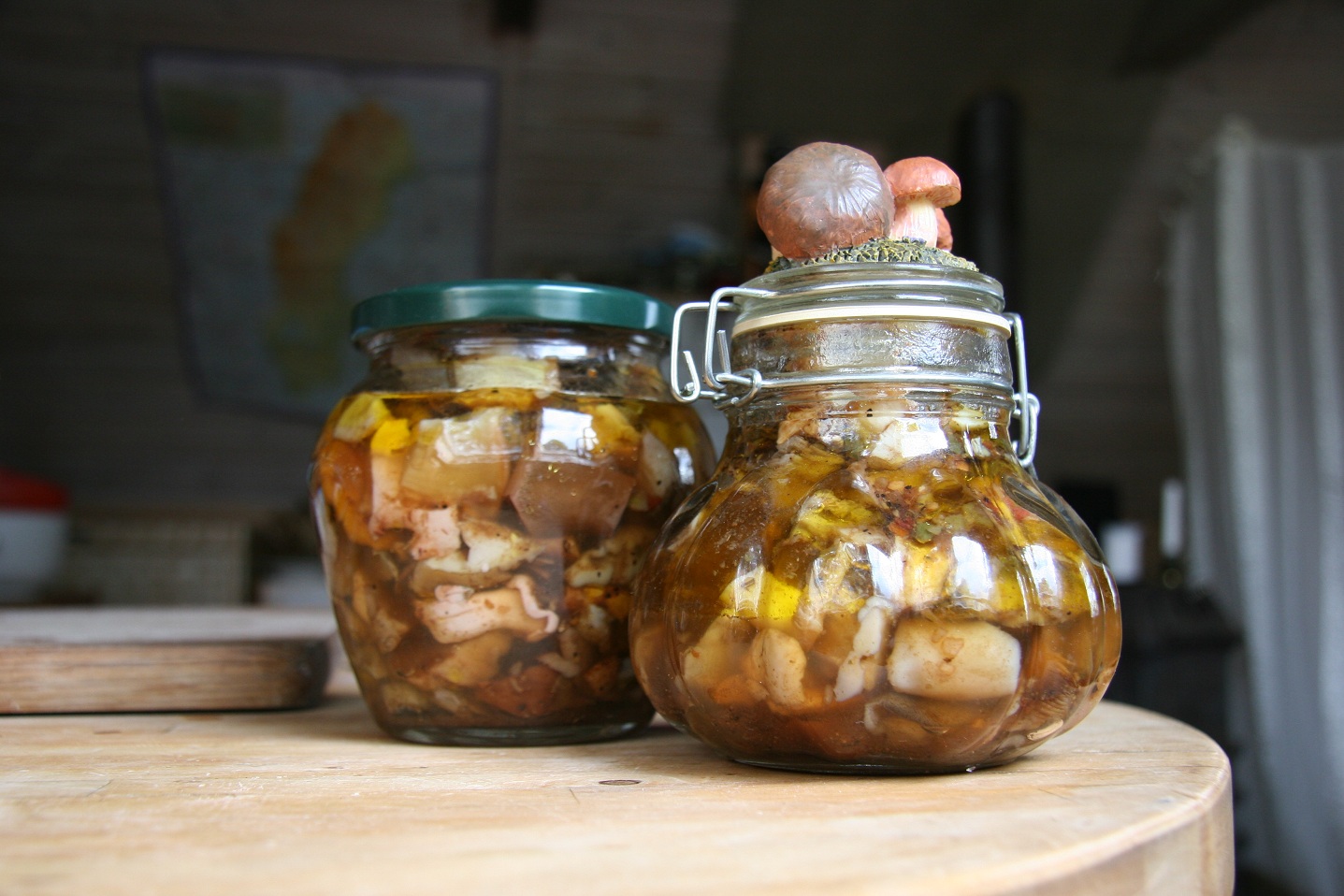
Just as critically, preservation never makes a questionable mushroom safe: drying, freezing, and pickling do not neutralize dangerous fungal toxins. Preserve only species you have identified with 100 percent certainty, and follow species-specific cooking rules. When canning or jarring mushrooms, vegetables, or low-acid sauces for room-temperature storage, always follow tested canning recipes and proper acidity guidelines—or keep lightly pickled jars refrigerated—and consult your national food safety authority whenever you are unsure about safe processing methods.
- Process fresh mushrooms the same day; never store unrefrigerated harvests in sealed plastic bags.
- Keep temporary fridge storage under 24 hours in a breathable paper-lined dish at 2–4°C.
- Preserve only 100% positively identified species, as heat and drying do not destroy lethal toxins.
- Follow tested vinegar-acidity ratios and reliable refrigeration or canning rules for all jarred preserves.
Connecting Your Pantry to Atveria's Forest Kitchen
With a well-stocked pantry, a single autumn walk keeps paying dividends through the darkest months of winter. A spoonful of crumbled dried porcini deepens soups and risottos in minutes, thawed dry-sautéed chanterelles bring bright summer woodland flavor to creamy pasta, salted milk caps add savory crunch beside roasted potatoes, and frozen bilberries lift warm porridge or baked tarts.
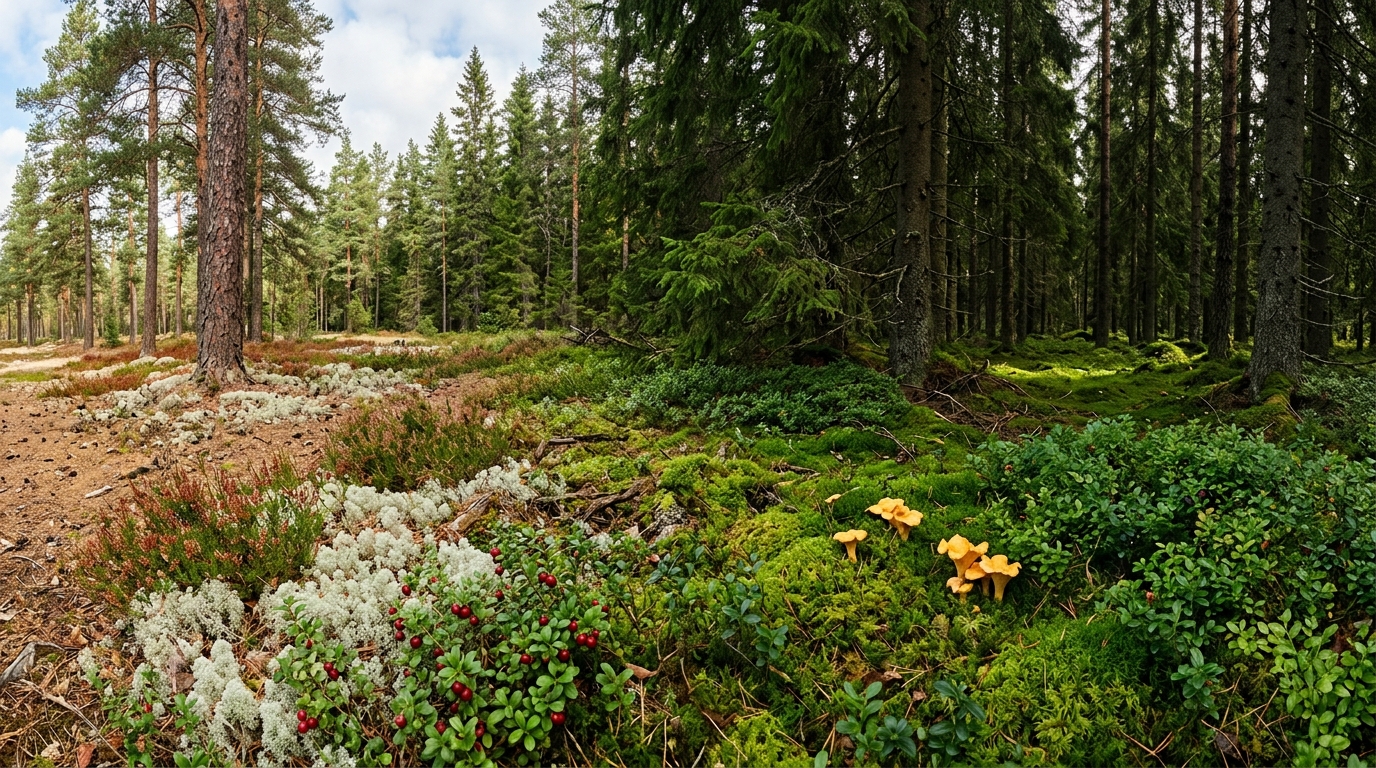
Before your next trip, use Atveria's interactive foraging map to filter public forest stands by dominant tree species, site type, and stand age across 13 European countries so you can explore mossy spruce, dry pine, and birch habitats at their best. When you return with a clean basket, open Atveria's Recipes section—the Forest Kitchen—for practical field and home dishes tailored to your freshly preserved mushrooms and wild berries.