Fruiting Body vs Mycelium: What Lives Beneath the Moss
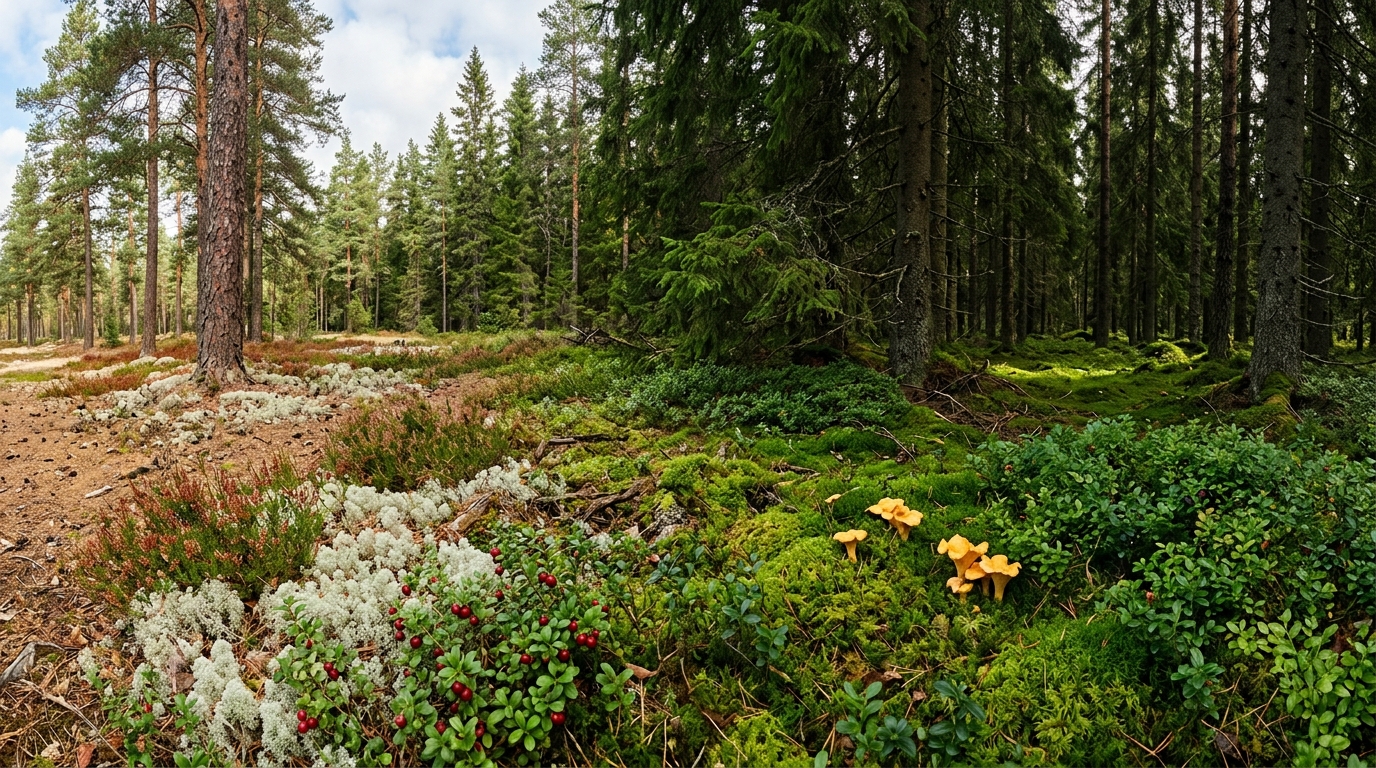
When you spot a golden chanterelle or a stout penny bun emerging from damp moss, you are looking only at the fruiting body of a much larger organism. Much like an apple on a tree, the visible mushroom exists to produce and scatter spores. The living fungus itself, known as mycelium, forms a vast, delicate web of microscopic threads woven through the forest soil, decaying wood, and leaf litter. As long as that hidden network remains healthy and undisturbed, it can continue producing mushrooms season after season for decades.
Many prized edible fungi are mycorrhizal partners of woodland trees such as pine, spruce, birch, oak, and beech. Their fungal threads wrap around tree roots, trading water and essential soil minerals for sugars created by the tree through photosynthesis. Because this symbiosis supports the entire woodland ecosystem, heavy foot traffic, soil compaction, and torn moss harm future harvests far more than picking the fruiting bodies themselves. Protecting the living soil beneath your boots is the true foundation of sustainable foraging.
Cutting vs Twisting Mushrooms: What Actually Matters
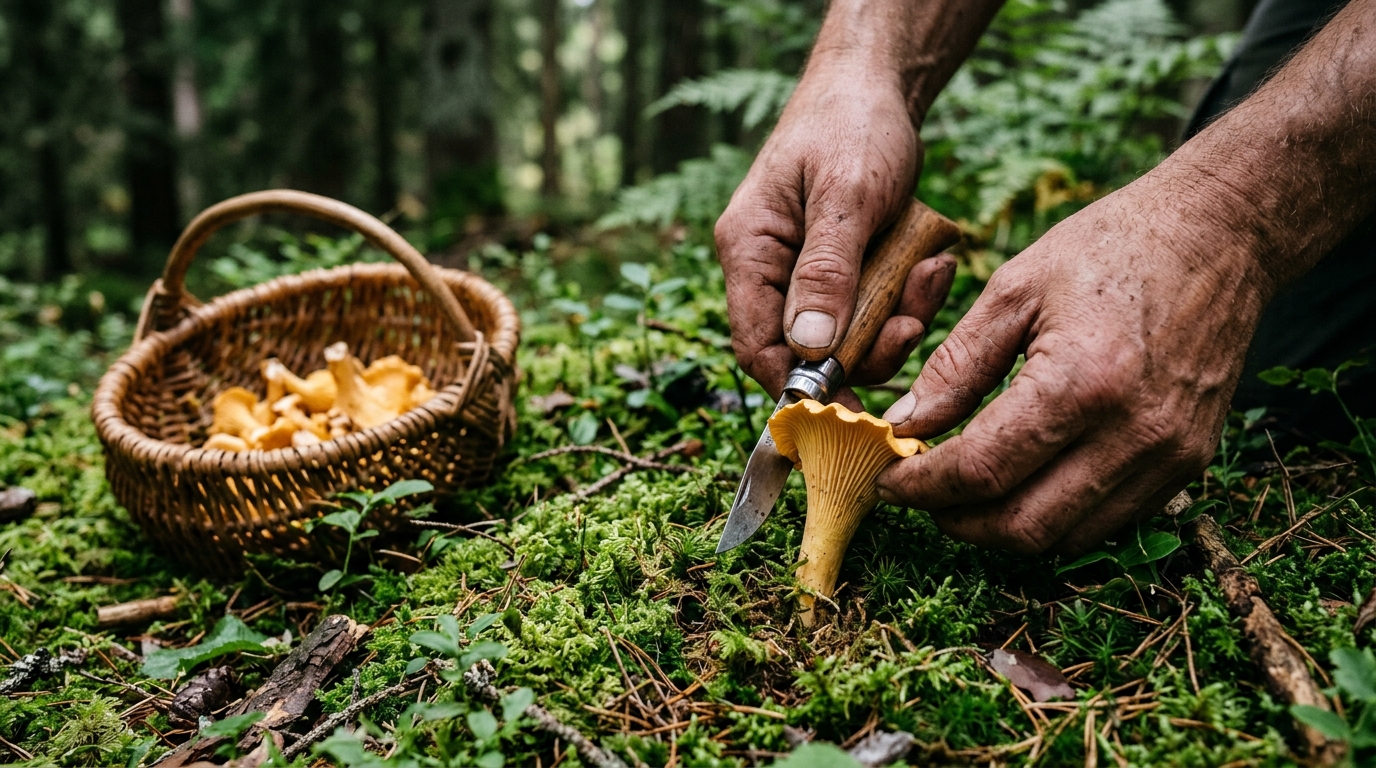
Few topics spark livelier debate among mushroom pickers than whether to slice a stem with a knife or twist it gently out of the ground. In reality, careful harvesting matters far more than choosing one technique over the other. Whether you cut cleanly near the base or twist slowly and lift the stem intact, the underground mycelium suffers minimal disruption as long as you press the surrounding moss and soil back into place. Twisting is often useful when identifying unfamiliar species whose stem base holds key clues, while cutting keeps soil out of your basket.
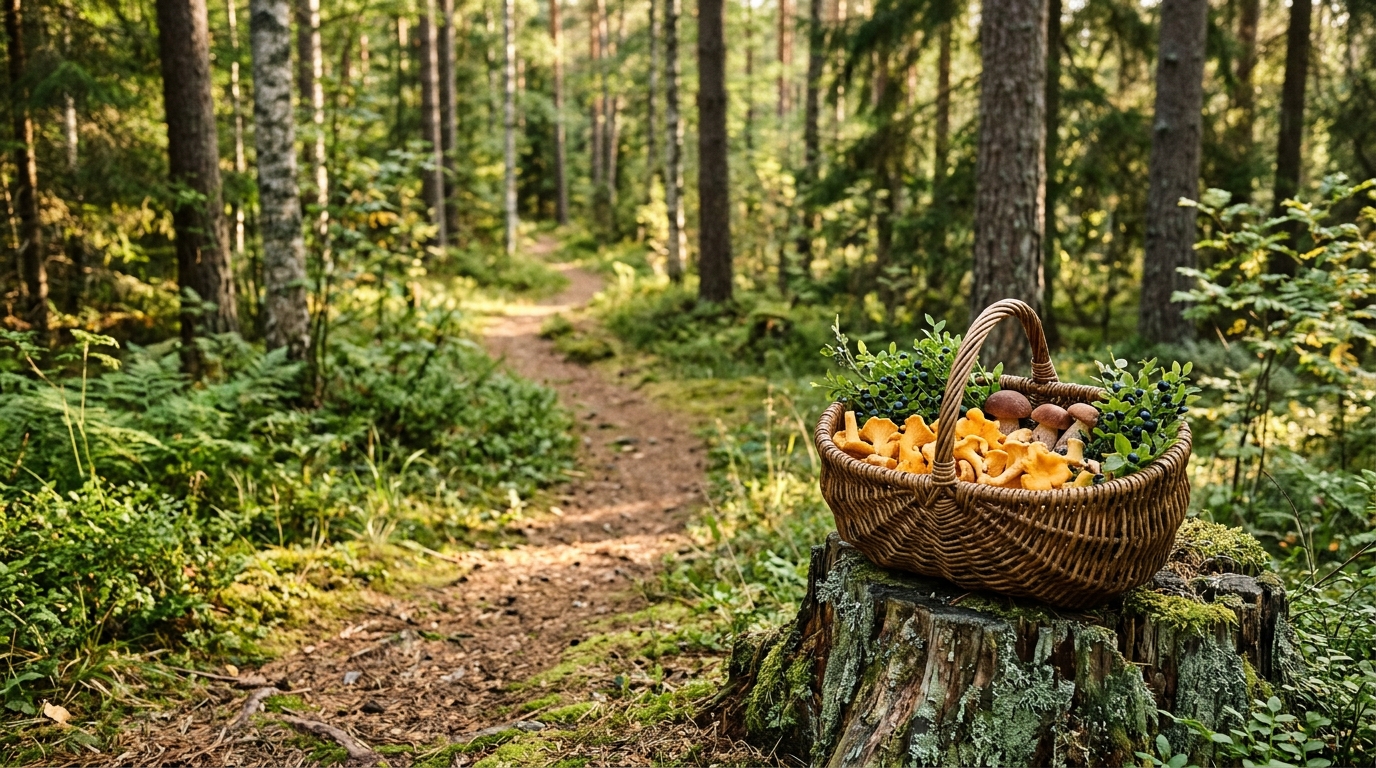
What genuinely damages the forest floor is raking through moss, kicking aside leaf litter, or digging up humus to hunt for hidden buttons. Just as important is knowing which mushrooms to leave behind. Tiny immature caps have not yet released their spores, while overly old or maggot-ridden specimens serve as vital spore factories and food for forest insects. Carrying your harvest in a rigid, breathable woven basket rather than a plastic bag prevents mushrooms from sweating and spoiling while allowing millions of spores to drift through the weave back onto the woodland floor.
Safety and conservation go hand in hand every time you step off the trail. Never eat any wild mushroom unless you have identified it with absolute certainty, and consult a local mycologist or verified identification guide whenever doubt remains. Equally, leave protected and red-listed species completely untouched, as rare fungi depend on intact old-growth habitats and strict conservation laws to survive.
- Cut cleanly near the base or twist gently, then press disturbed moss back into place.
- Never rake moss, leaf litter, or topsoil while searching for small mushrooms.
- Leave tiny buttons, overripe caps, and heavily worm-eaten fruiting bodies to scatter spores.
- Carry your harvest in an open, breathable basket instead of sealed plastic bags.
- Keep unknown specimens strictly separate and never eat an unidentified mushroom or pick protected species.
Gentle Berry Picking and Sharing the Harvest with Wildlife
Wild berries such as bilberries, lingonberries, cranberries, and cloudberries grow on slow-growing dwarf shrubs and delicate bog plants that recover slowly from physical injury. Hand-picking ripe berries one cluster at a time keeps stems and foliage intact, allowing the same plants to flower and fruit reliably next summer. If you use a berry comb, choose a wide-toothed model with smooth edges and guide it gently through the fruit without yanking woody twigs, stripping green leaves, or tearing shallow roots out of the moss.
Remember that wild berries and mushrooms are not solely a human pantry. Throughout late summer and autumn, birds, bears, deer, foxes, rodents, and countless insects rely on calorie-rich berries and fungi to build fat reserves before winter. Take only what you can realistically clean and preserve, avoid stripping an entire hillside patch completely bare, and clean stray leaves from your bucket while still in the woods rather than breaking branches to sort later at home.
Tread Lightly in Fragile Habitats and Respect Local Rules
Some forest landscapes are far more vulnerable to trampling than dry pine heaths. Peat bogs, wet mires, coastal dunes, and ancient old-growth stands support thin, slow-growing layers of sphagnum moss, lichens, and rare herbaceous plants that can retain footprints for years. In these sensitive habitats, stay on established paths, wooden boardwalks, or firm dry hummocks whenever possible, and avoid spreading out across fragile wet ground in large groups.
Responsible foraging also means practicing strict Leave No Trace habits and knowing local regulations before you head out. Pack out every food wrapper, bottle, tissue, and piece of litter, keep noise low around wildlife, and never damage fences, young tree saplings, or forestry markers. Access rights, daily collection limits, and lists of protected mushrooms or plants vary significantly across European countries and nature reserves, so always check regional forestry rules and protected-area boundaries in advance.
The Sustainable Forager's Code
Good woodland etiquette does not require complicated rules; it comes down to steady, respectful habits practiced on every walk. Following a simple personal checklist helps ensure that the forest looks just as healthy when you leave as it did when you arrived, and that future generations can enjoy the same rich biodiversity.
When thousands of visitors apply these small principles across an autumn season, the cumulative difference is enormous. Moss carpets remain intact, shrubs stay vigorous, wildlife retains its winter food supply, and woodland communities remain welcoming to respectful foragers.
- Protect the mycelium by pressing moss back gently and never raking or digging the forest floor.
- Leave tiny, old, and worm-eaten mushrooms behind so spores can regenerate future crops.
- Use a rigid, breathable basket for mushrooms and pick berries without snapping twigs or stripping leaves.
- Leave plenty of berries and fungi on every patch for birds, mammals, and insects.
- Never eat a mushroom you cannot identify with 100% certainty, and never harvest protected or red-listed species.
- Stay on marked trails in bogs, dunes, and old-growth reserves to avoid compacting fragile soil.
- Pack out all litter and respect local access rights, seasonal rules, and private property boundaries.
How Atveria Helps Spread Foraging Pressure Across Public Forests
Even the most careful picker contributes to soil compaction and overharvesting if hundreds of visitors return to the exact same roadside parking spots and popular trailheads every weekend. Heavy pressure on a few well-known woods strips local berry patches, tramples moss carpets, and disturbs wildlife in narrow corridors near cities.
By mapping public forest stands across 13 European countries, Atveria makes it easy to explore well beyond crowded hotspots. You can filter the map by dominant tree species, forest site type, and stand age to locate ecologically suitable stands that are rarely visited. Spreading foraging trips across thousands of public forest compartments reduces wear on popular woods, protects fragile ecosystems, and leads to quieter, more rewarding days outdoors.