Forestry & Foraging Blog
Practical, ecology-grounded guides on forest site types, mycorrhizal partners, stand age, European access rules, and safe navigation in the woods.
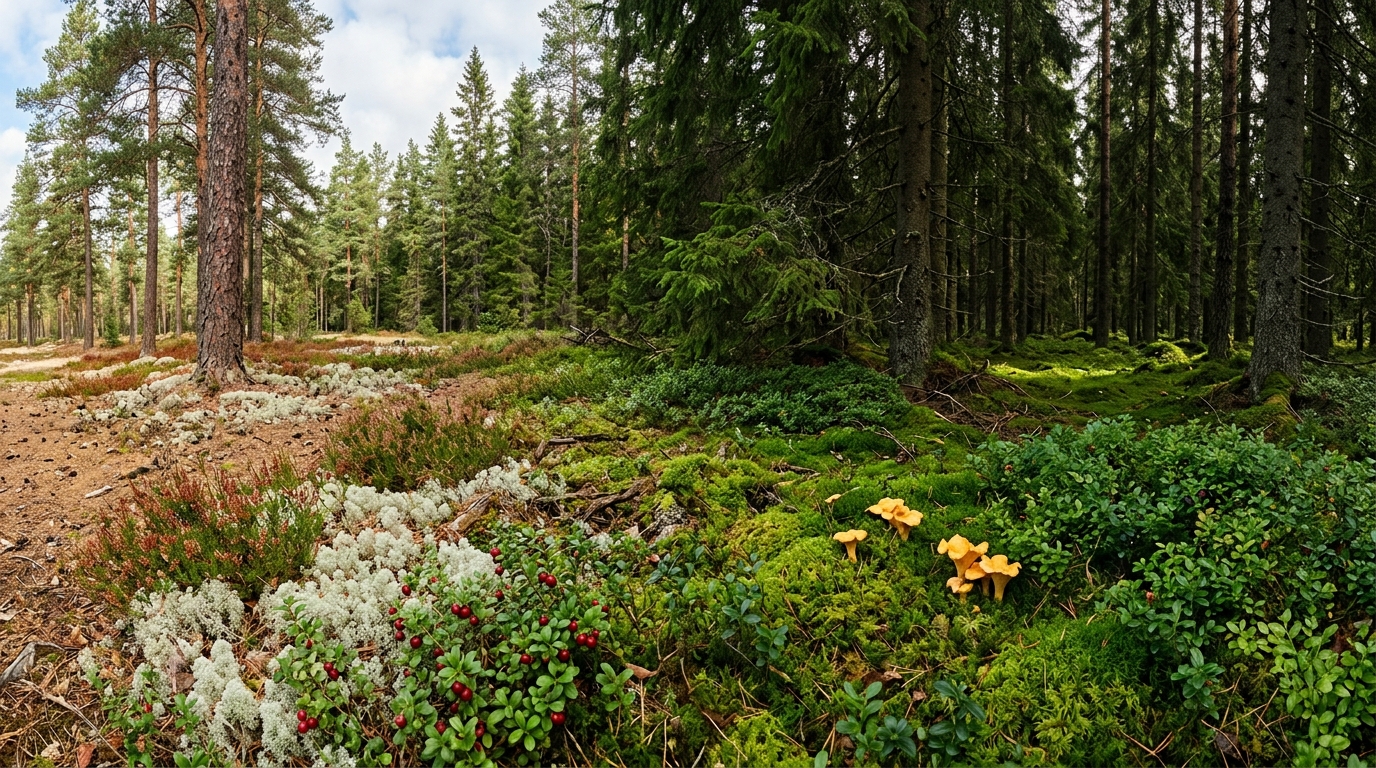
How Forest Site Types Reveal Where Mushrooms and Berries Grow
Soil fertility, moisture, and ground-layer indicator plants divide every forest into distinct site types. Learn how to read them before you even step off the trail.
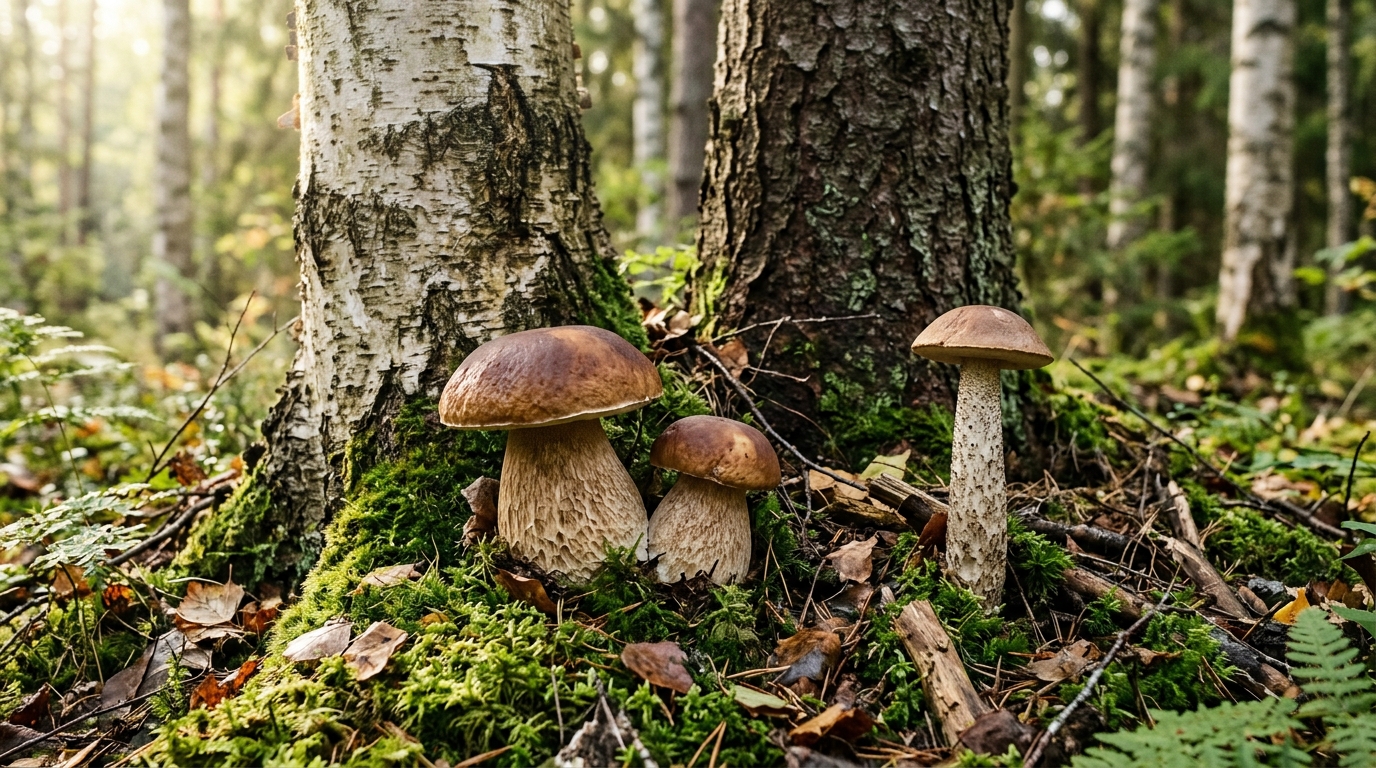
Trees and Mycorrhiza: Which Mushrooms Grow With Which Trees
Learn how ectomycorrhizal symbiosis pairs wild mushrooms with pine, spruce, birch, aspen, oak, beech, and hazel, and how to use host trees to locate productive forest stands.
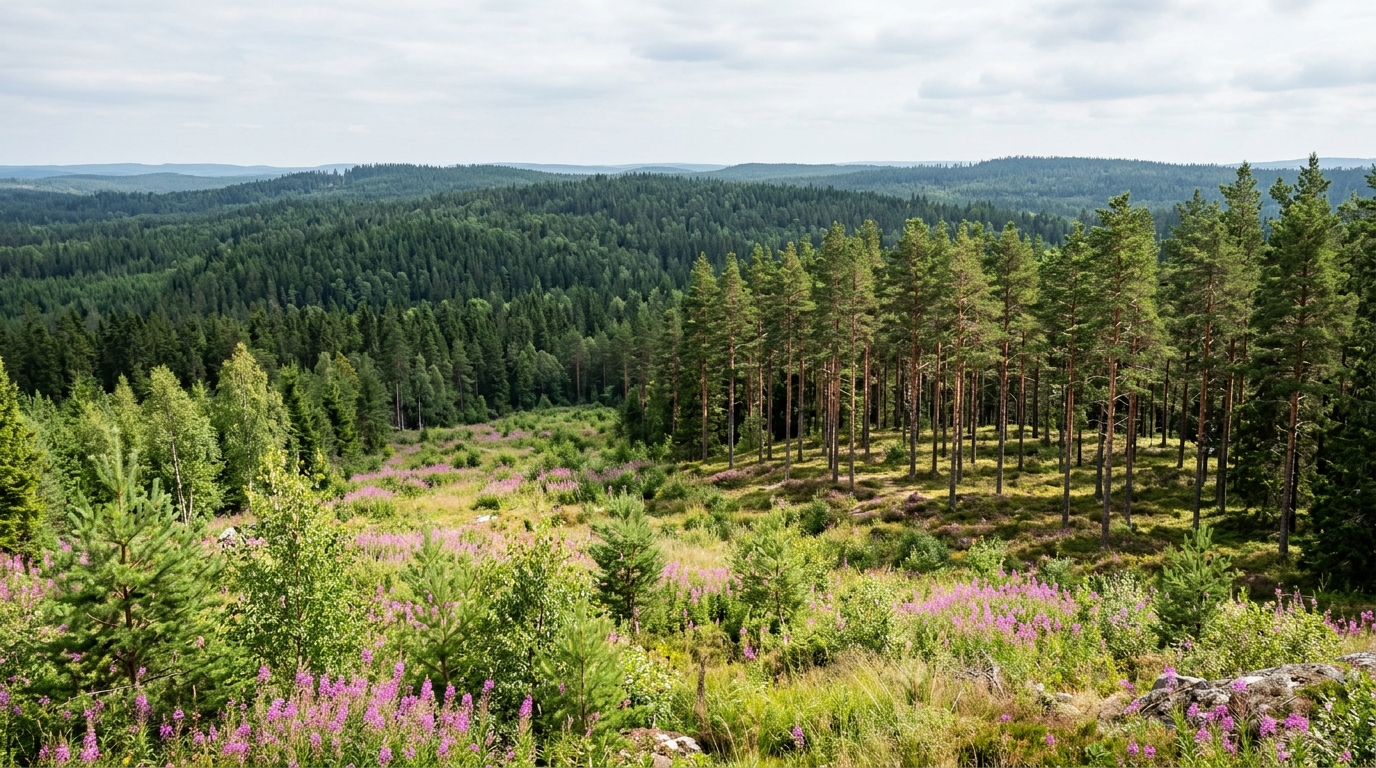
Why Forest Age Matters: Development Classes and Clearings
Learn how forest stand age, development classes, clear-cuts, and thinning shape light, soil, and wild berry or mushroom harvests across Nordic and Baltic woods.
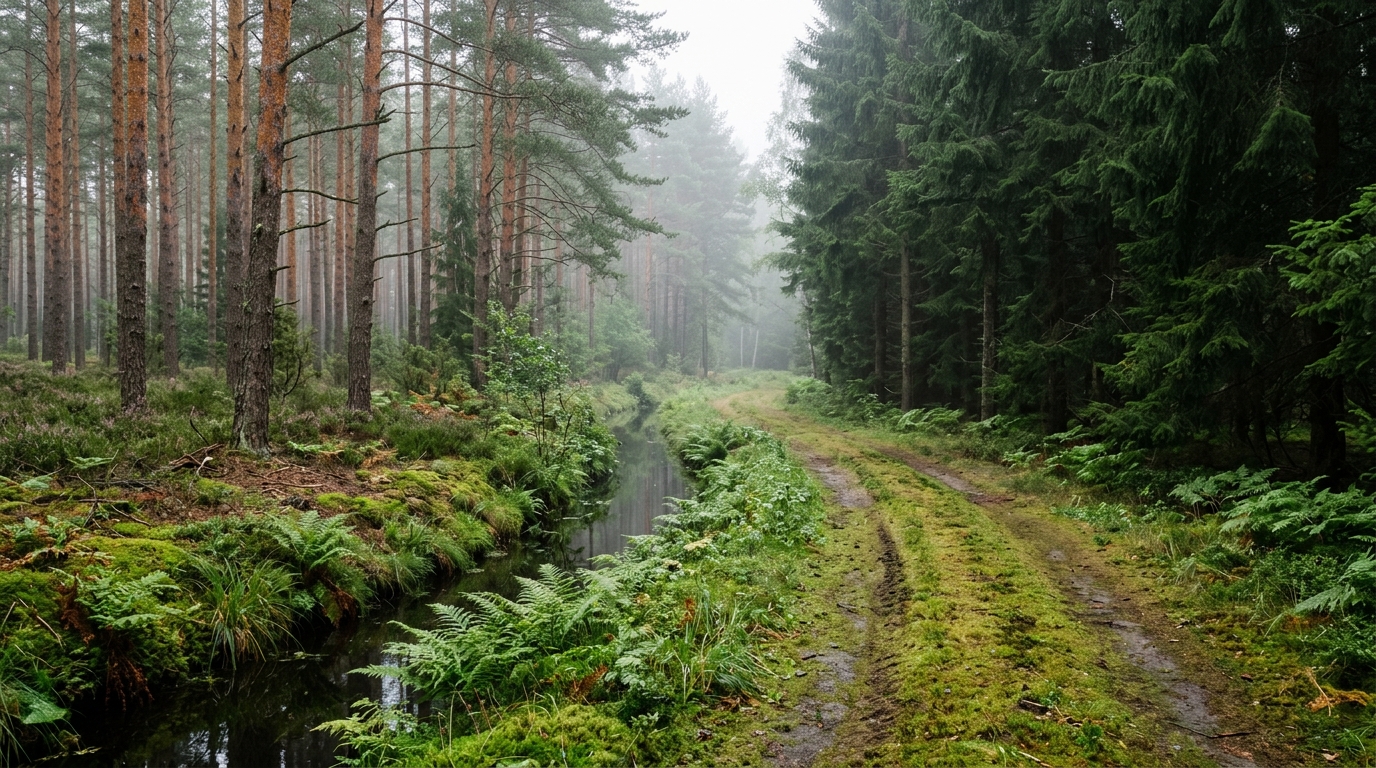
How to Read Forest Maps Like a Forester: Stands, Ditches and Layers
Learn how foresters read stand polygons, transition edges, access roads, drainage ditches, and slope aspect—and how combining register overlays with satellite layers guides better walks.
Put forest ecology into practice
Explore the Atveria live map to inspect public forest stands, tree species, site types, and prime foraging habitats.
Open Atveria Map →