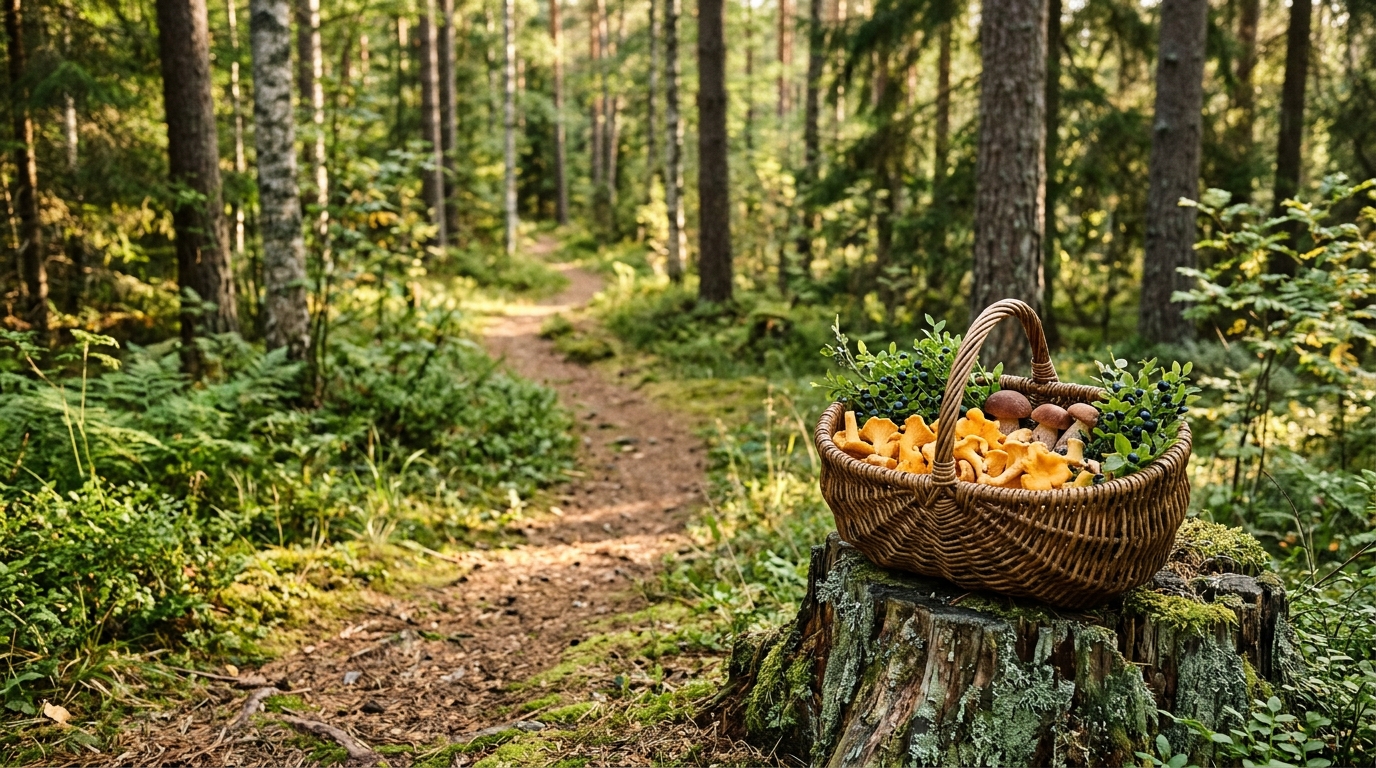
What Everyman's Right Means in European Forests
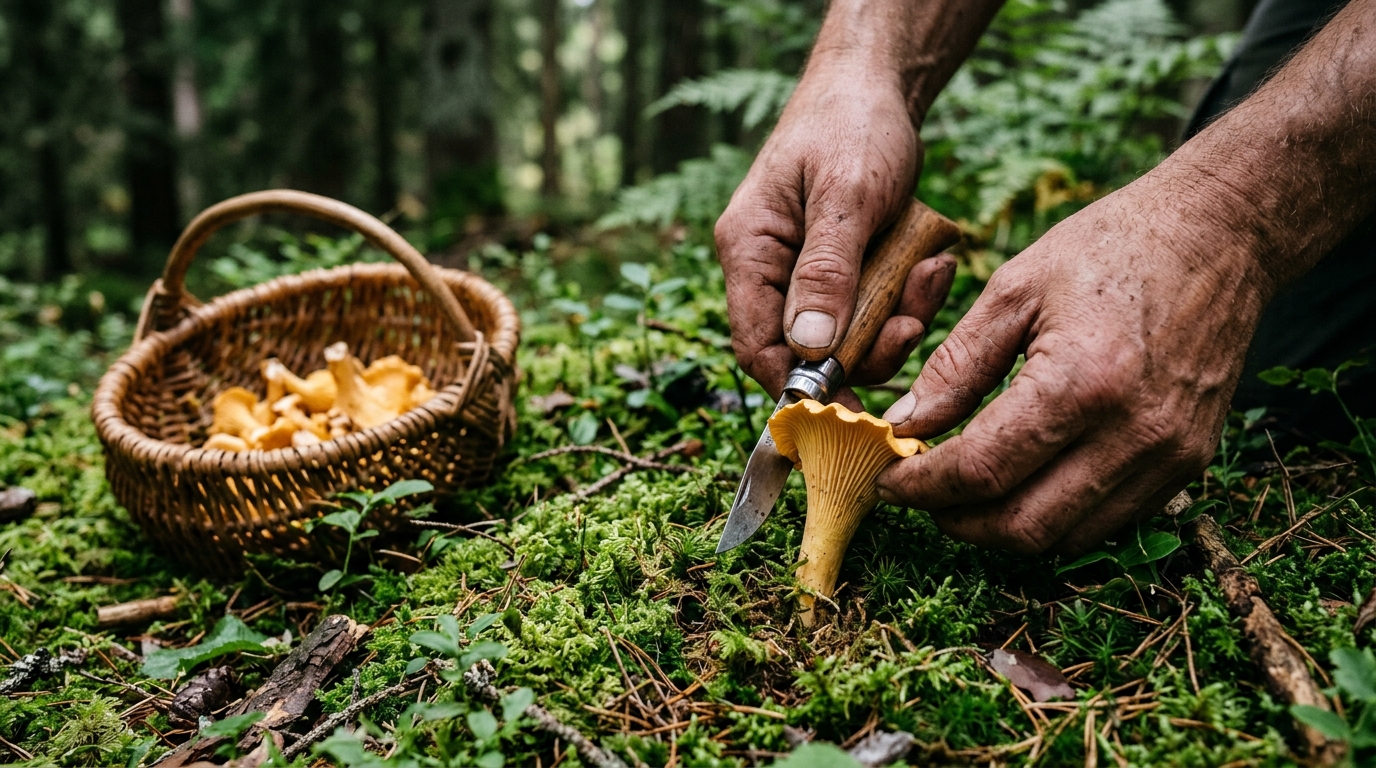
Across Northern Europe, stepping into a woodland with a basket in autumn feels like an everyday liberty. In Finland this tradition is known as jokamiehenoikeus, in Sweden as allemansrätten, in Norway as allemannsretten, and in Estonia as igaüheõigus. At its core, freedom to roam allows anyone to walk on foot in nature and gather modest amounts of wild mushrooms and berries for personal consumption without asking individual landowners beforehand. In practice, this covers naturally growing wild fruits and fungi rather than planted orchards or garden crops.
Yet Everyman's right is never a license to do as you please, and it does not apply uniformly across Europe. Even in the most open countries, it excludes private yards, gardens, cultivated fields, motorized off-road driving, breaking live branches, and stripping moss or lichen from rocks and trees. Many legal systems also draw a clear line between personal household gathering and organized commercial harvesting on private ground. Elsewhere on the continent, access and picking depend far more strictly on land ownership, regional bylaws, nature reserve rules, and sometimes paid local permits.
Nordic Countries and Denmark: Freedom With Important Borders
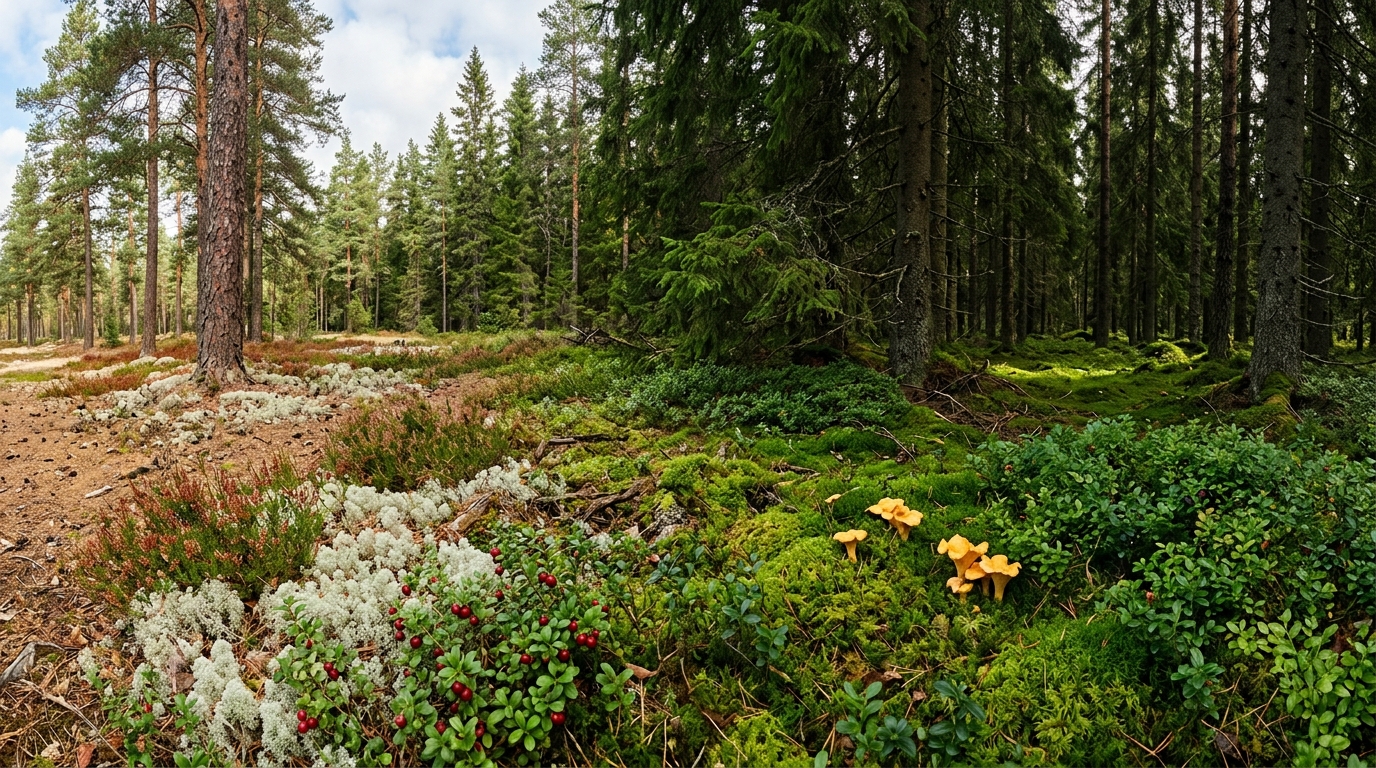
Finland, Sweden, and Norway offer some of the broadest foraging access in the world. On both state and most private forest land, you may walk off-trail and collect wild berries and edible mushrooms for your own table, provided you keep a respectful distance from homes, cabins, and fenced or cultivated ground. Sweden refers to this private buffer around dwellings as the home peace zone, while Norway distinguishes clearly between cultivated or inhabited ground (innmark) and open uncultivated nature (utmark). Even here, small exceptions exist: certain northern Norwegian municipalities restrict cloudberry picking on specific bogs, and open fires or off-road vehicles remain tightly regulated.
Denmark stands apart from its Nordic neighbors with noticeably stricter rules. In state and municipal forests, including public woodlands managed by the Danish Nature Agency, visitors are generally allowed to leave paths on foot and pick modest quantities of berries and mushrooms for personal use. In private forests, however, public access is normally restricted to existing roads and paths from morning until sunset, meaning off-trail foraging on private woodland is usually not allowed.
Across all four Nordic countries, national parks, strict nature reserves, bird nesting sanctuaries, and seasonal wildfire bans can temporarily or permanently restrict entry or harvesting. Certain reserves permit berry and mushroom gathering while prohibiting other disturbance, whereas stricter zones ban all picking altogether. Checking official park maps and municipal notices before heading into unfamiliar woods prevents costly mistakes.
The Baltic States and Poland: Generous Access in State Forests
In Estonia, Latvia, and Lithuania, autumn foraging is woven deeply into daily life, and public forests are broadly open for personal gathering. Under Estonia's igaüheõigus, visitors may walk and pick wild mushrooms and berries in state forests as well as on unfenced, unmarked private forest land, though clearly marked or fenced properties require the owner's consent and entering private land between sunset and sunrise without permission is restricted.
Latvia and Lithuania maintain a similarly welcoming approach in state and municipal woodlands, while private owners may post clear restrictions and protected reserves enforce stricter rules. Removing moss layers, damaging young trees, harvesting protected fungi or rare flora, and entering border zones or military training grounds remain prohibited throughout the Baltics.
Poland's extensive State Forests (Lasy Państwowe) are generally open to the public for free personal mushroom and berry picking, making autumn trips a cherished national pastime, provided foragers do not damage forest litter or underground mycelium. Clear exclusions still apply: national parks, nature reserves, young forest stands under four meters tall, seed stands, and compartments temporarily closed due to storm damage or high fire risk are strictly off-limits.
Western Europe: Local Permits, Bag Limits, and the Handstrauß-Regel
As population density increases and woodland parcels become smaller toward Western and Southern Europe, broad freedom to roam gives way to tighter statutory limits. Rather than assuming forests are open for picking, foragers need to pay close attention to who manages the land and what regional or municipal rules govern that specific valley or province.
The overview below highlights why a quick check before packing your basket matters so much across five major Western European countries.
Even within a single country, rules can shift dramatically between municipal woods, state forests, and regional nature parks. In Germany, France, and Spain, one district may allow modest personal harvests while a neighboring valley enforces seasonal bans, species-specific restrictions, or mandatory day passes purchased in advance.
- Netherlands: Visitors in managed nature areas must often stay on marked paths, and foraging is prohibited or tightly restricted on many Staatsbosbeheer and Natuurmonumenten reserves, with small personal amounts only tolerated where explicitly permitted.
- Belgium: Rules vary markedly between Flanders, Wallonia, and Brussels, and leaving paths or picking mushrooms is widely prohibited across many public forests and nature reserves unless local regulations state otherwise.
- Germany: Federal conservation law includes the Handstrauß-Regel, allowing small amounts of wild mushrooms and berries for personal use in accessible forests outside protected reserves, though individual federal states and districts can impose daily weight caps or seasonal bans.
- France: In state forests managed by the ONF, small personal harvests often capped around a couple of liters or two kilograms by local prefectural decrees are commonly tolerated, whereas private forests always require owner permission and commercial harvesting is strictly controlled.
- Spain: Foraging legislation is decentralized to autonomous communities and municipalities; in productive woodlands across regions such as Castile and León, Catalonia, or Aragon, foragers frequently need a paid regional or municipal picking permit (coto micológico) and must observe strict daily weight limits.
Universal Foraging Etiquette Across Borders
Even where national law is generous, long-term public access depends on visitors leaving the forest as undisturbed as they found it. Thoughtful habits protect delicate soils, berry shrubs, and goodwill with local foresters and private owners.
Follow these universal practices wherever you forage in Europe. Carrying a breathable woven basket instead of a sealed plastic bag keeps mushrooms fresh while letting mature spores disperse naturally along the woodland floor, and keeping dogs on a leash where required protects nesting wildlife.
- Keep a generous, respectful distance from private homes, summer cabins, gardens, and fenced livestock pastures.
- Never break branches, strip moss carpets, or rake forest litter to expose emerging mushroom buttons.
- Pick only species you can identify with complete certainty and take no more than your household can clean and use.
- Honor protected reserves, young plantations, active logging sites, and temporary wildfire or hunting closures.
- Park solely in marked forest lay-bys or public lots without blocking forestry roads, turning bays, or locked barriers.
- Carry all litter back out with you and obey seasonal campfire and stove bans.
Rules Change Over Time and How Atveria Helps on the Map
Forest access laws, municipal picking bylaws, protected-area boundaries, and seasonal fire closures evolve regularly. This article provides a cautious general overview rather than legal advice, so always verify current rules with official national forestry agencies, regional nature parks, municipal offices, and posted trailhead signs before you forage.
One of the most practical steps when planning a trip in an unfamiliar region is separating public woodland from private parcels. Atveria highlights public and state forest ownership directly on its interactive map across all 13 covered European countries, alongside dominant tree species, forest site types, and stand age. Checking public forest stands on the map first helps you focus on areas where personal foraging rules are usually clearer and more transparent, before confirming final local regulations with official sources.